








What's Happening?
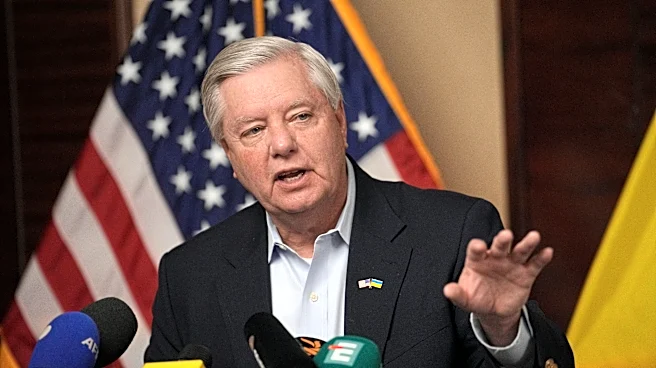
Senator Lindsey Graham, a Republican from South Carolina, has died at the age of 71 due to an aortic dissection, as per preliminary findings from the D.C. medical examiner. The condition, which involves a tear in the inner layer of the aorta, was attributed
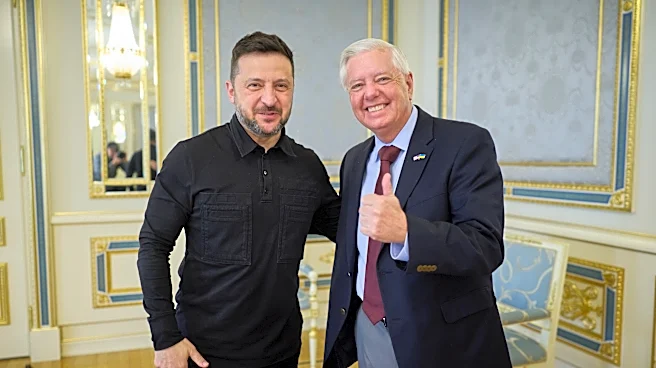
to arteriosclerotic cardiovascular disease, characterized by the thickening and hardening of arterial walls. Emergency responders were called to Graham's Washington home following reports of chest pain, and he was later transported to George Washington University Hospital. His death occurred shortly after returning from a trip to Kyiv, where he met with Ukrainian President Volodymyr Zelensky. The final determination of his cause of death is pending further toxicological and microscopic testing.
Why It's Important?
The sudden passing of Senator Graham has significant implications for the U.S. political landscape. As a long-serving member of Congress, his absence narrows the Republican majority in the Senate, potentially affecting legislative dynamics. Graham was a prominent figure in U.S. politics, known for his strong stance on foreign policy issues, including sanctions on Russia and support for Ukraine. His death may impact ongoing legislative efforts, such as the bipartisan Russian sanctions package he was working on. Additionally, his close relationship with President Trump and his influence on Republican strategies highlight the potential shifts in party dynamics and policy directions following his death.
What's Next?
The completion of toxicological and microscopic testing will provide a final determination of Senator Graham's cause of death. Politically, his passing may prompt a special election to fill his Senate seat, affecting the balance of power in Congress. The Republican Party will need to address the leadership void left by Graham, particularly in foreign policy and national security matters. Legislative efforts, such as the Russian sanctions bill, may see renewed urgency as colleagues seek to honor his legacy. The political landscape in South Carolina and the broader national scene will likely experience shifts as a result of his absence.