



What's Happening?
Arizona homeowners are increasingly considering solar battery storage as a crucial component of their solar energy systems, driven by rising power bills and the varying buyback rates offered by utility providers. While solar panels can significantly reduce
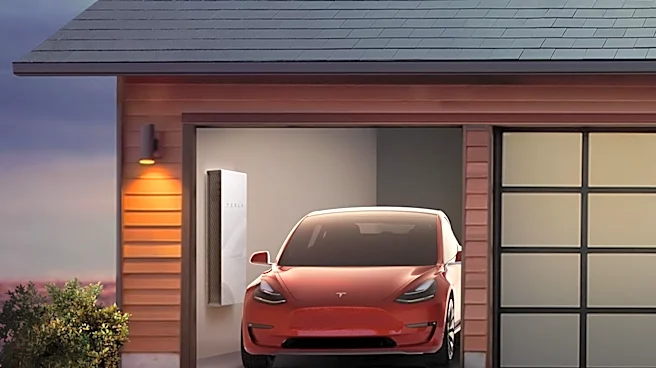
electricity costs, the financial payoff in Arizona can depend heavily on whether a homeowner adds battery storage, especially for electricity consumption after sundown. Many Arizona utilities buy back excess solar power at a lower rate than the cost of electricity purchased from the grid. This disparity makes storing solar power generated during the day for evening use more financially advantageous than selling it back to the grid at a discount. Homeowners are actively seeking advice on platforms like Reddit, where discussions highlight the importance of batteries in mitigating electricity expenses and ensuring energy independence, particularly given the high air conditioning usage in Arizona.
Why It's Important?
The growing emphasis on solar battery storage in Arizona reflects a critical evolution in residential solar economics. As utility policies shift towards less favorable net metering or lower buyback rates for excess solar generation, batteries become essential for maximizing the financial benefits of a solar installation. For Arizona, where air conditioning demand remains high after sunset, storing daytime solar energy for evening consumption directly impacts a homeowner's savings and reduces reliance on the grid during peak demand hours. This trend underscores a broader move towards energy resilience and self-sufficiency, allowing homeowners to better manage their energy usage and protect against grid outages. The increased adoption of batteries also contributes to a more stable local grid by reducing peak demand and integrating more distributed renewable energy sources, which is vital for states with high energy consumption and a strong solar resource.
What's Next?
Homeowners in Arizona are advised to thoroughly research utility policies and compare quotes for solar systems that include battery storage. The decision to add a battery should be based on a comprehensive understanding of local utility buyback rates, individual energy consumption patterns, and the desired level of energy independence. Resources like EnergySage's solar map and comparison tools can help homeowners evaluate costs and incentives. The market for solar batteries is expected to continue growing, with falling prices and increasing demand for energy storage solutions. This will likely lead to more competitive offerings from installers and potentially more innovative financing options for battery systems. Homeowners should also consider the long-term benefits of batteries, such as protection during outages and potential insurance discounts, in addition to the financial payback.
Beyond the Headlines
The discussion around solar batteries in Arizona reveals a deeper challenge in the transition to renewable energy: the need for grid modernization and equitable compensation mechanisms for distributed generation. The varying buyback rates from utilities highlight the tension between traditional utility business models and the rise of prosumers (producers and consumers of energy). This situation could drive innovation in energy management systems and smart home technologies that optimize battery usage based on real-time electricity prices and demand. Furthermore, the emphasis on energy independence and resilience, particularly in a climate like Arizona prone to high energy demand, points to a cultural shift where homeowners are taking more control over their energy supply. This could lead to increased advocacy for policies that better support energy storage and ensure fair compensation for homeowners contributing to the grid, ultimately shaping the future of energy policy and infrastructure.