




What's Happening?
The long-planned widening project for Tylertown Road in Clarksville, Tennessee, is currently underway, but significant modifications have been made to the original design due to cuts in the FY 2026-27 City of Clarksville budget and early project complications.
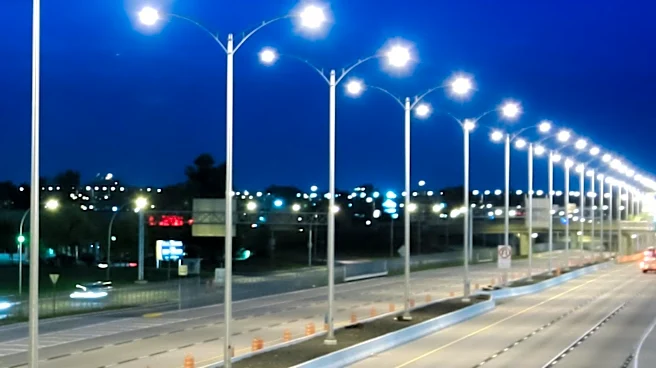
The project aims to widen Tylertown Road from Trenton Road to the city limits past Oakland Road, and Oakland Road from Tylertown Road to Spring Creek, covering approximately three miles. Initially, the contractor, Byard Construction, encountered unexpected poor soil conditions, leading to increased excavation and aggregate costs and causing early overages. This prompted the City of Clarksville to implement a phased approach, separating the road construction from the installation of sidewalks and streetlights. The current phase, focusing on road construction, is expected to continue until the fall of 2027, with funding for sidewalks and streetlights to be identified in the spring of 2027.
Why It's Important?
This development is important for the residents and commuters of Clarksville, particularly those in the Exit 1 area, as it directly impacts local infrastructure and daily life. The widening of Tylertown Road is intended to alleviate traffic congestion and improve safety in a growing part of the city. However, the delay in installing streetlights and sidewalks raises concerns about pedestrian safety and accessibility, especially given the increased traffic flow on the newly widened road. The funding cuts and unexpected construction challenges highlight the complexities of large-scale public works projects and the need for flexible budgeting and contingency planning. For the City of Clarksville, this situation underscores the fiscal limitations under which it operates and the difficult decisions required to manage essential infrastructure improvements. Resident Wayne Hammons expressed concern that without specific dates for the future phases, these critical elements might never be completed, reflecting a broader public desire for transparency and accountability in project timelines.
What's Next?
The current phase of the Tylertown Road widening project, focusing on road construction, is scheduled to continue until the fall of 2027. In the spring of 2027, the City of Clarksville plans to identify the necessary funds for the second phase, which includes the installation of sidewalks and streetlights. If funding is secured, the contractor, Byard Construction, is expected to seamlessly transition into this portion of the project. The city has affirmed its commitment to completing the work despite fiscal limitations. However, residents like Wayne Hammons are advocating for more defined timelines for the delayed elements to ensure their completion. The city will need to communicate clearly with the public regarding funding progress and updated schedules to address community concerns and maintain trust. Future budget cycles will be critical in determining the allocation of funds for these essential components of the project.
Beyond the Headlines
The Tylertown Road project's challenges, particularly the delay of sidewalks and streetlights, illuminate a common tension in urban development between immediate infrastructure needs and comprehensive community planning. While road widening addresses vehicular traffic, the absence of pedestrian infrastructure can create an incomplete and potentially unsafe environment for non-drivers, impacting walkability and community connectivity. This situation also highlights the broader implications of budget constraints on public services, where unforeseen costs can force difficult trade-offs in project scope. The resident's concern about undefined future phases speaks to the importance of public trust and clear communication in government projects. It underscores how delays in seemingly secondary elements like sidewalks and streetlights can significantly affect the quality of life and perceived safety for local residents, potentially leading to long-term dissatisfaction even after the primary road construction is complete. This case serves as a micro-example of the macro challenges cities face in balancing growth, fiscal responsibility, and holistic urban design.