
What's Happening?
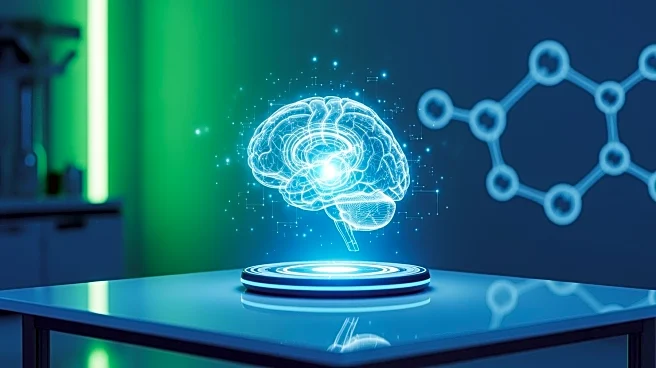
Bill Gates, speaking at an event in Doha, emphasized the potential of artificial intelligence (AI) in addressing global health challenges. He highlighted AI's capability to assist in combating diseases
such as malaria, pneumonia, and other chronic conditions. Gates suggested that AI could function as virtual 'doctors', providing accessible health solutions and advice to individuals worldwide. This approach, he noted, would not require extensive infrastructure development, as AI systems could deliver healthcare insights remotely and at no cost to users.
Why It's Important?
The integration of AI in healthcare represents a significant shift in how medical services can be delivered, particularly in underserved regions. By leveraging AI, healthcare systems can potentially overcome barriers related to infrastructure and resource limitations. This could lead to improved health outcomes in areas with limited access to traditional medical facilities. Additionally, AI-driven health solutions could democratize access to medical knowledge, empowering individuals with timely and accurate health information. This development aligns with broader trends in digital health innovation, which aim to enhance the efficiency and reach of healthcare services globally.