






What's Happening?
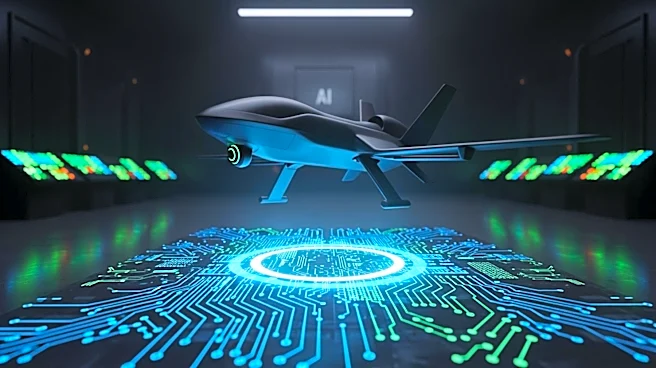
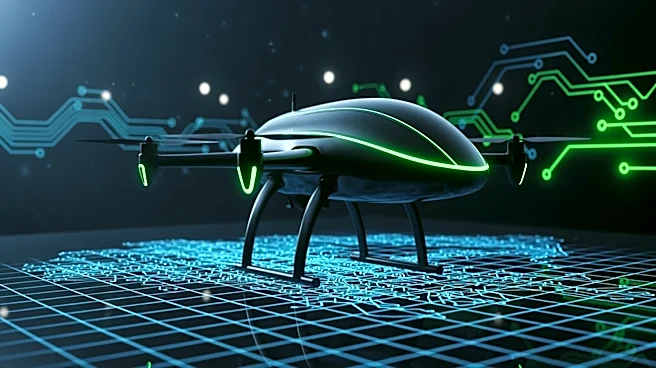
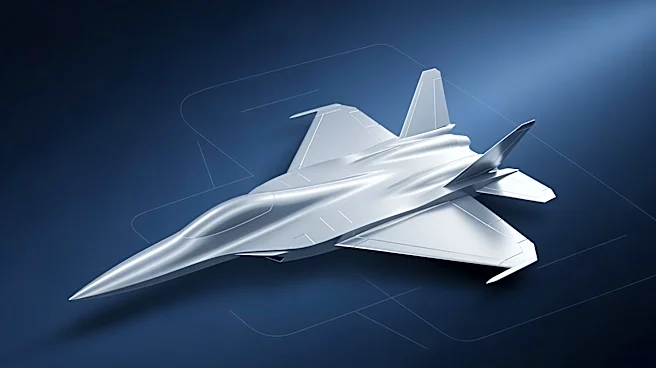
The Pentagon is advancing its efforts in autonomous warfare by seeking smarter, self-organizing drones. This initiative is part of a broader strategy to enable a small number of human operators to control a larger fleet of robots. Two key projects, Materials
for Physical Compute in Untethered Robotics and Decentralized Artificial Intelligence through Controlled Emergence, are spearheading this effort. These projects aim to enhance the intelligence of autonomous systems and enable robots to form teams and execute complex missions. The Defense Autonomous Working Group, which leads the Pentagon's drone warfare initiatives, is set to see its budget increase significantly from $226 million to $54 billion by 2027. This move is part of a larger push to address the challenges faced in previous military operations, where the lack of trained personnel and organizational structure limited the effective use of drones.
Why It's Important?
The Pentagon's push for advanced autonomous drones is significant for several reasons. It represents a shift towards more efficient and scalable military operations, potentially reducing the need for large numbers of personnel in combat scenarios. This could lead to cost savings and increased operational flexibility. However, the success of this initiative depends on overcoming current limitations, such as the need for constant data processing and the reliance on vulnerable data centers. The development of more intelligent and self-sufficient drones could revolutionize military strategy, allowing for more dynamic and responsive operations. This shift could also have broader implications for the defense industry, driving innovation and potentially leading to new applications in civilian sectors.
What's Next?
The next steps involve the continued development and testing of these autonomous systems. The Pentagon will need to establish clear guidelines for the procurement, training, and maintenance of these advanced drones to ensure their effective deployment. Additionally, the Defense Department's innovation arm is exploring ways to control drones using plain language commands, which could further simplify their operation. As these technologies advance, there will likely be increased scrutiny and debate over the ethical and strategic implications of autonomous warfare. Stakeholders, including military leaders, policymakers, and industry experts, will need to collaborate to address these challenges and ensure that the deployment of autonomous systems aligns with broader defense objectives.