




What's Happening?
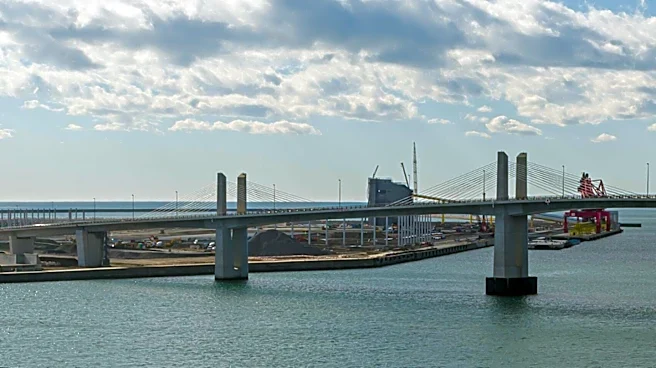
Congressman Rob Menendez (NJ-08) has lauded the completion of the new Portal North Bridge, marking a significant milestone for New Jersey commuters and the Northeast Corridor. The bridge, now fully operational with both tracks in service, replaces a 116-year-old
swing bridge that was a frequent cause of delays for NJ TRANSIT and Amtrak customers. Menendez highlighted the project as a critical step towards a more reliable transit system for New Jersey. The new Portal North Bridge is a modern, two-track, high-level, fixed-span structure that rises 50 feet over the Hackensack River, allowing marine traffic to pass without interrupting rail service. This eliminates the need for the bridge to open and close, which previously caused significant disruptions. The project was funded through a combination of federal, state, and Amtrak investments, including a $766.5 million Federal Transit Administration grant secured in January 2021 and a $1.56 billion construction contract awarded in October 2021. The bridge is a key component of the larger Gateway Program, aimed at doubling rail capacity between Newark and New York.
Why It's Important?
The completion of the Portal North Bridge is crucial for the economic vitality and daily lives of thousands of commuters in the Northeast Corridor. The previous 116-year-old swing bridge was a notorious bottleneck, causing frequent delays that impacted productivity and quality of life. The new fixed-span bridge will significantly improve reliability and reduce travel times for NJ TRANSIT and Amtrak passengers, fostering a more efficient transportation network. This infrastructure upgrade is expected to have a positive ripple effect on the regional economy by facilitating smoother commutes for workers and enhancing the movement of goods. Congressman Menendez's involvement underscores the importance of federal funding and bipartisan cooperation in addressing critical infrastructure needs. The project also supports job creation, as evidenced by the substantial construction contract, and sets a precedent for future large-scale infrastructure developments in the region, demonstrating the tangible benefits of sustained investment in public transit.
What's Next?
With the Portal North Bridge now fully operational, the focus will likely shift to the broader Gateway Program, of which this bridge is the first completed component. The Gateway Program aims to significantly upgrade and expand rail infrastructure between Newark and New York, including the crucial Hudson Tunnel Project. Continued collaboration among federal, state, and local partners, as well as organized labor, will be essential to maintain momentum and secure funding for these subsequent phases. Commuters can expect continued improvements in service reliability and capacity as these projects progress. Political leaders and transportation agencies will likely monitor the performance of the new bridge and use its success as a model and justification for further infrastructure investments. The dismantling of the old Portal Bridge is scheduled for 2027, marking a complete transition to the modern infrastructure.
Beyond the Headlines
The successful completion of the Portal North Bridge transcends its immediate benefits of reduced delays and improved reliability. It symbolizes a renewed commitment to modernizing America's aging infrastructure, particularly in densely populated corridors critical to national commerce and daily life. This project highlights the complex interplay of federal funding, state initiatives, and private sector execution required for such large-scale endeavors. It also underscores the long-term vision necessary to address infrastructure deficits that have accumulated over decades. The bridge's completion could serve as a blueprint for other regions facing similar challenges with outdated transportation systems, demonstrating that significant investment and sustained effort can yield transformative results. Furthermore, it reinforces the idea that robust public transportation infrastructure is not just about convenience but is a fundamental pillar of economic competitiveness and environmental sustainability, reducing reliance on individual vehicle use and its associated emissions.