







What's Happening?
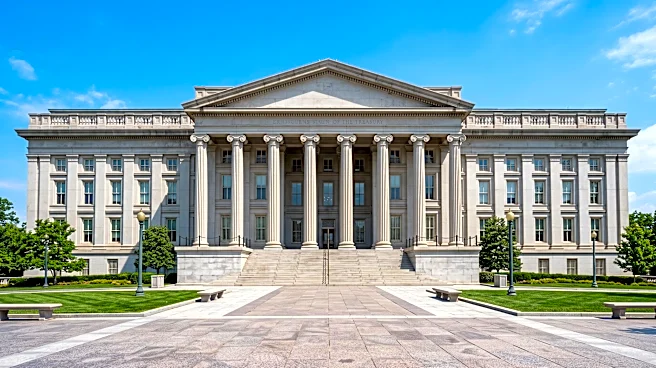
Governor Patrick Morrisey has announced that the U.S. Department of the Treasury has certified 52 census tracts in West Virginia as Opportunity Zones. This designation allows for federal tax incentives for eligible economic development investments within
these zones. The announcement follows Tuesday's general election results, with Morrisey's office emphasizing the importance of Wood County in statewide development efforts. Wood County Economic Development Executive Director Lindsey Piersol highlighted a 30.9-acre industrial riverfront site with rail, river, and interstate access, along with historic downtown assets, as prime for modern logistics and manufacturing. Wood County Commissioner Blair Couch expressed optimism for growth and success in the county, acknowledging the governor's efforts for the community and state. The initiative aims to attract investment and stimulate the local economy.
Why It's Important?
The establishment of Opportunity Zones in West Virginia is significant for its potential to drive economic growth and create jobs in designated areas. By offering federal tax incentives, the state aims to attract private investment into communities that have historically faced economic challenges. This strategy can lead to the development of new industries, infrastructure improvements, and increased employment opportunities for residents. For businesses, these zones present a chance to invest in underserved markets while benefiting from tax advantages, potentially leading to higher returns and expanded operations. The focus on areas like Wood County, with its strategic industrial and logistical assets, suggests a targeted approach to leveraging existing resources for maximum impact. The success of these zones could serve as a model for other states looking to revitalize their economies through similar federal programs.
What's Next?
The certification of these Opportunity Zones is expected to kickstart efforts to attract significant investment into West Virginia. Local economic development agencies, such as the Wood County Development Authority, will likely intensify their outreach to potential investors, highlighting the specific advantages and opportunities within these zones. The state government, in conjunction with federal partners, will need to monitor the effectiveness of these incentives and address any challenges that arise in attracting and retaining businesses. Community leaders and residents will be watching closely to see how these investments translate into tangible benefits, such as job creation and improved local services. The long-term success will depend on sustained collaboration between state and local governments, private investors, and community stakeholders to ensure that the economic development is inclusive and sustainable.
Beyond the Headlines
The implementation of Opportunity Zones in West Virginia touches upon broader themes of regional economic disparity and the role of federal policy in local development. While the immediate goal is to stimulate investment, the deeper implication lies in addressing systemic economic challenges in areas that have experienced decline. The success of these zones could redefine the economic landscape of West Virginia, potentially reversing trends of out-migration and fostering a more resilient local economy. However, there are also ethical considerations regarding equitable development and ensuring that the benefits of these investments reach all segments of the community, not just a select few. The initiative could also spark a cultural shift towards greater entrepreneurship and innovation within these designated areas, leading to long-term societal changes beyond mere economic indicators.