










What's Happening?
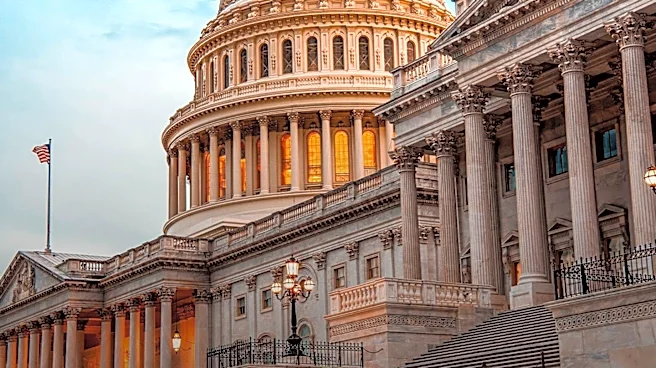
More than 350 members of the International Fresh Produce Association (IFPA) recently gathered on Capitol Hill in Washington, DC, to advocate for the swift advancement of the Farm Bill and other supportive legislation. The association, representing various
segments of the global fresh produce and floral supply chain, emphasized the need for policies that bolster specialty crops, federal nutrition initiatives, and address workforce challenges. The Farm Bill, known as the Farm, Food and National Security Act of 2026, is a comprehensive law that provides funding and direction for national agriculture, food systems, and nutrition assistance. The House has passed its version, and the Senate is expected to release a draft soon. IFPA members highlighted the importance of specialty crops, which contribute over $75 billion annually to the U.S. agricultural economy, yet often lack the policy support available to other agricultural sectors.
Why It's Important?
The advocacy by the IFPA underscores the critical role of specialty crops in the U.S. agricultural landscape and the need for legislative support to ensure their sustainability and competitiveness. Specialty crops, including fruits, vegetables, nuts, and grains, are vital for both economic and nutritional reasons. The Farm Bill's provisions, such as funding for research and mechanization, are essential for maintaining the viability of these crops in the global market. Additionally, the association's push for improvements in labor policies, such as the H-2A visa program, highlights the ongoing challenges in securing a reliable workforce for the agricultural sector. These legislative efforts are crucial for addressing the economic and operational hurdles faced by growers, ensuring food safety, and promoting increased consumption of fresh produce.
What's Next?
As the Senate prepares to release its draft of the Farm Bill, stakeholders in the produce industry will continue to lobby for the inclusion of provisions that support specialty crops. The reconciliation of the House and Senate versions of the bill will be a critical step, with the goal of finalizing the legislation before the expiration of the current Farm Bill extension on September 30. The IFPA and its members will likely maintain their advocacy efforts, focusing on securing funding for research, mechanization, and labor improvements. Additionally, the association will continue to push for policies that enhance produce consumption through federal nutrition programs and 'food as medicine' initiatives.
Beyond the Headlines
The discussions around the Farm Bill also bring attention to broader issues such as food safety and environmental sustainability. The IFPA's emphasis on robust funding for food safety programs and coordination among agencies highlights the importance of maintaining consumer confidence in the food supply. Furthermore, the debate over extended producer responsibility laws reflects the complex interplay between environmental regulations and the practical needs of the produce industry. These laws, which shift recycling and waste-management costs onto companies, could have significant implications for interstate commerce and public health, as they affect packaging that ensures food safety and quality.