






What's Happening?
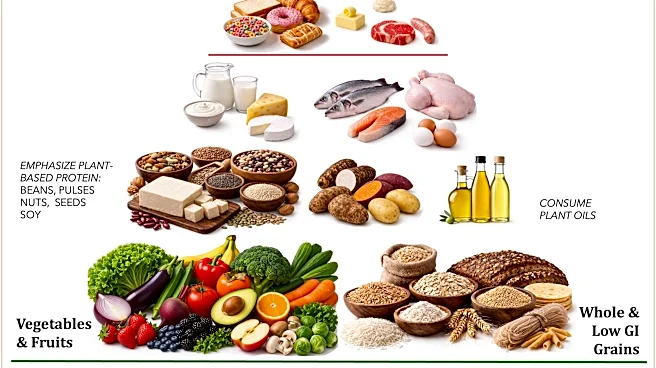
A new randomized controlled trial, published in Cell Metabolism on October 21, 2026, investigated the relationship between Mediterranean diet quality, intermittent fasting, weight loss, and inflammation. The study involved 53 adults, predominantly women
in their mid-50s with metabolic risk factors. Participants were initially assigned to either a fully provided Mediterranean diet or their habitual Western diet for eight weeks. Following this, twice-weekly fasting days were introduced during the subsequent eight weeks. The primary outcome measured was high-sensitivity C-reactive protein (hsCRP), a blood marker for inflammation. The trial found that while the Mediterranean diet improved lipid measures, hsCRP levels only decreased during the fasting phase, which also coincided with greater weight loss, improved insulin sensitivity, and lower blood pressure. The authors concluded that negative energy balance and weight loss were stronger drivers of hsCRP reduction than diet quality alone in this 16-week experiment.
Why It's Important?
This research is significant for public health and dietary recommendations in the U.S., as it refines the understanding of how different dietary interventions impact inflammation. The findings suggest that the anti-inflammatory benefits often attributed to intermittent fasting might be primarily a consequence of the weight loss it facilitates, rather than a unique effect of the fasting itself. This distinction is crucial for individuals seeking to manage inflammatory conditions or improve metabolic health, as it emphasizes the importance of achieving a sustainable energy deficit. For the healthcare industry and dietitians, this trial underscores the need to evaluate diet quality, energy balance, and specific health outcomes separately, moving beyond marketing labels like 'anti-inflammatory.' It also highlights that while a Mediterranean diet offers nutritional benefits, its impact on inflammation may be more pronounced when combined with strategies that lead to weight reduction.
What's Next?
The study's authors suggest that future research should focus on longer-term trials with diverse populations to further explore the independent effects of diet quality and fasting on various inflammatory biomarkers. The current trial's limitations, such as its small size, short duration, and specific participant demographic (individuals with metabolic risk factors), indicate that its findings may not be universally applicable to all healthy adults. Clinicians and nutritionists may need to adjust their guidance, emphasizing that while intermittent fasting can be a useful tool for creating a calorie deficit, its primary benefit for inflammation appears to be linked to weight loss. The study also prompts a re-evaluation of how 'anti-inflammatory' claims are marketed, encouraging a more nuanced understanding of dietary impacts on health.
Beyond the Headlines
This study contributes to a broader scientific discussion about the mechanisms through which diet influences health. It challenges the notion that certain dietary patterns or eating schedules possess inherent 'magical' anti-inflammatory properties, instead pointing to the fundamental role of energy balance and weight management. The findings have implications for how individuals approach dietary changes, encouraging a focus on sustainable calorie reduction and overall diet quality rather than solely adhering to specific eating windows. Ethically, it reinforces the importance of evidence-based dietary advice, cautioning against oversimplified health claims. Culturally, as intermittent fasting gains popularity, this research provides a more grounded perspective, helping to manage expectations about its direct physiological benefits beyond weight loss.