




What's Happening?
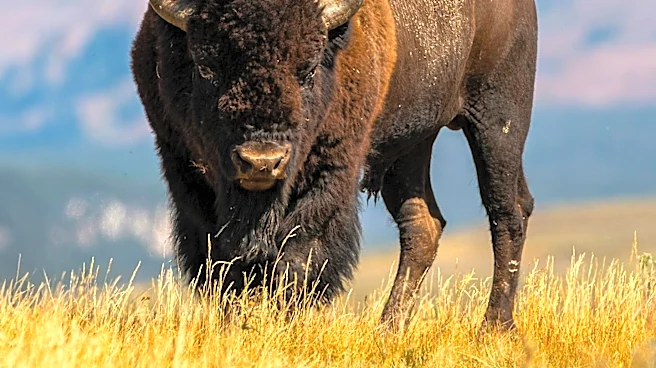
The Utah Division of Wildlife Resources (UDWR) has reported a substantial die-off of bison in the Book Cliffs Bitter Creek unit, with nearly 40 percent of the wild, free-ranging adult bison succumbing to bacterial pneumonia. This event, described by UDWR once-in-a-lifetime
species coordinator Rusty Robinson as 'unlike anything our state biologists have ever witnessed' in 20 years of monitoring, has led to emergency changes for the upcoming bison hunt. Sixteen of 41 collared bison in the Bitter Creek unit died between July 29 and August 14, primarily cows, with necropsies confirming bacterial pneumonia as the cause. The Utah Wildlife Board, in response, voted on August 20 to offer hunters the option to surrender their permits for the affected unit. Those who opt out will have their bonus points reinstated, receive an additional point, be refunded fees, and have their once-in-a-lifetime waiting period waived. The cow hunt for 2027 in this unit has been canceled to aid population recovery, though the 2026 cow hunt will proceed for those who wish to keep their permits.
Why It's Important?
This significant bison die-off and the subsequent emergency changes highlight the fragility of wildlife populations and the complex challenges faced by wildlife management agencies. The Book Cliffs herd is one of only two wild, free-ranging bison herds in Utah, making its health crucial for the state's biodiversity and conservation efforts. The decision to offer permit surrenders and cancel future hunts demonstrates a proactive approach to conservation, prioritizing the long-term viability of the herd over immediate hunting opportunities. This situation also underscores the potential impact of disease on wildlife, especially in populations that are already managed through limited hunting draws. The economic implications for the state's hunting program, which generates revenue and supports conservation initiatives, could be notable, as hunters who have waited years for these permits are now faced with difficult choices. Furthermore, the incident draws attention to the broader ecological health of the region, particularly concerning potential disease transmission and environmental factors that might contribute to such outbreaks.
What's Next?
The UDWR will continue to closely monitor the infected Bitter Creek unit herd and the nearby, so-far uninfected Little Creek/South unit herd. While relocation of bison is not typically practiced, the immediate plan is to halt cow hunts in the affected unit for the next few years to facilitate population recovery. The agency will evaluate the herd's response and adjust future management strategies accordingly. Hunters who drew permits for the 2026 cow hunt in the Book Cliffs Bitter Creek unit must decide whether to proceed with their hunt or surrender their permits by the specified deadline. The additional antlerless elk permits issued due to drought conditions will be distributed through an alternate draw list, with more information to be provided on the DWR website. This situation may also prompt further research into the specific strain of bacterial pneumonia affecting the bison and its potential implications for other wildlife populations in the region.
Beyond the Headlines
The bison die-off in Utah raises deeper questions about the intersection of wildlife management, environmental health, and human interaction with natural ecosystems. The bacterial pneumonia strain, common in cattle and bison, suggests potential pathways for disease transmission that could impact both wild and domestic animal populations. While transmission from bighorn sheep to bison is considered unlikely in this specific instance, the broader issue of disease ecology and interspecies pathogen transfer remains a critical concern for wildlife biologists. This event also highlights the ethical considerations in wildlife management, balancing recreational hunting opportunities with the imperative to conserve vulnerable species. The 'once-in-a-lifetime' nature of these bison permits underscores the profound personal investment hunters make, and the agency's response reflects an attempt to mitigate the disappointment while upholding conservation principles. The incident serves as a stark reminder of the unpredictable challenges posed by natural events and diseases in maintaining healthy wildlife populations.