








What's Happening?
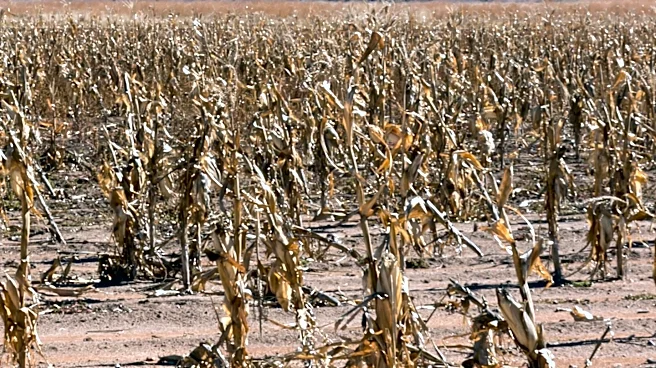
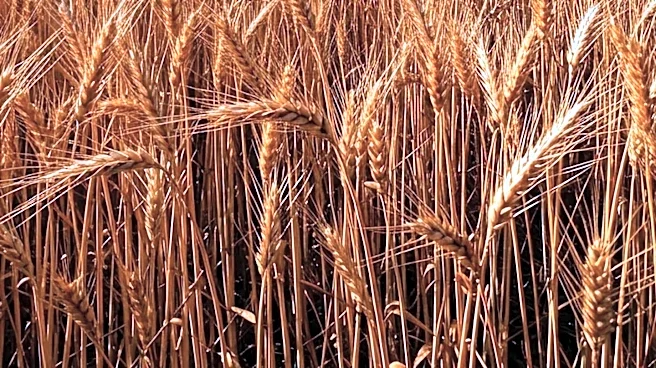
Nebraska's wheat crop has been severely impacted by a series of adverse weather events, including drought, late freezes, and temperature fluctuations, leading to the lowest production in over a century. According to Nebraska agricultural meteorologist
Eric Hunt, these conditions have resulted in a projected yield of 16.2 million bushels, a 57% decrease from the previous year. The USDA National Agricultural Statistics Service (NASS) reports that both harvested acres and average yield are significantly below average, with the statewide average yield projected at 28 bushels per acre, compared to the historical average of 43 bushels. The number of harvested acres is also at a historic low, with 580,000 acres, the lowest since 1990. This year's production shortfall is expected to have a significant impact on counties like Cheyenne, Box Butte, and Perkins, which are major wheat producers in the state.
Why It's Important?
The drastic reduction in wheat production in Nebraska is expected to have significant economic implications. With U.S. winter wheat production also forecasted to decline, the USDA anticipates smaller supplies and lower ending stocks, which could lead to increased wheat prices. The season-average farm price is projected to rise to $6.00 per bushel, up from $5.05 last year. However, despite the potential price increase, production costs remain high, with estimates suggesting that farmers are receiving only 55 cents for every dollar spent on production. This economic strain could lead to financial difficulties for wheat farmers, particularly in Nebraska, where the crop is a major agricultural product.
What's Next?
The ongoing challenges faced by wheat farmers in Nebraska may prompt a reevaluation of agricultural practices and strategies to mitigate the impact of extreme weather conditions. Farmers may need to explore alternative crops or farming techniques to adapt to changing climate patterns. Additionally, there may be increased pressure on policymakers to provide financial assistance or support to affected farmers to help them recover from the economic losses incurred this year.