




What's Happening?
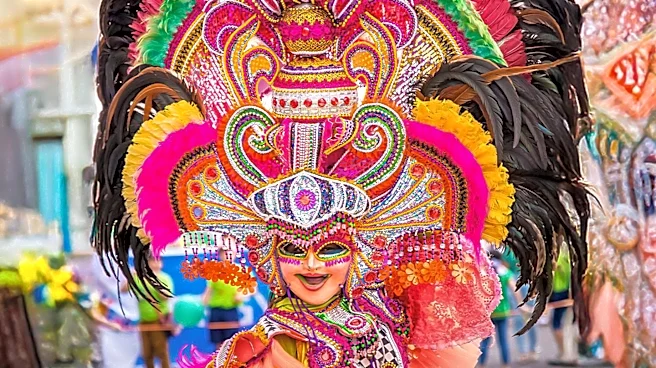
Montgomery County, Maryland, recently marked its 13th annual Hispanic Heritage Month commemoration with an event at the County Council floor. The celebration, themed 'Unidos Somos Más' (Together We Are More), featured live music, folkloric dance performances
by DNZ Folklore, and food from local vendors. Montgomery County Council President Natali Fani-González emphasized the county's strength derived from its diverse backgrounds, stating, 'We are coming together across countries of origin, generations and experiences, and that makes us stronger and makes our community much better.' The event was attended by representatives from the offices of Senator Chris Van Hollen, Representative Jamie Raskin, and Representative April McClain Delaney, along with Maryland Delegate Greg Wims and other local officials. Three community members—Amanda Santiago, David Zambrano, and José Campos—were honored for their contributions. A proclamation highlighted the significant growth of the Latino population in the county, now exceeding 22% of residents, and reaffirmed the Council's commitment to racial equity and social justice.
Why It's Important?
This annual commemoration is important as it recognizes and celebrates the significant cultural, social, and economic contributions of the Hispanic and Latino communities to Montgomery County and the broader U.S. The theme 'Unidos Somos Más' underscores the value of diversity and unity in strengthening communities, particularly in a county where the Latino population has grown substantially. Such events foster a sense of belonging and cultural pride, while also educating the wider public about the rich heritage and varied experiences within the Hispanic and Latino diaspora. By honoring community leaders and acknowledging the challenges faced by these communities, the commemoration promotes social justice and equity. It also serves as a platform for political leaders to engage with and reaffirm their commitment to diverse constituents, highlighting the demographic shifts that are reshaping American society and politics. The event reinforces the idea that diversity is a source of strength and innovation.
What's Next?
The annual Hispanic Heritage Month commemoration will continue to be a fixture in Montgomery County, likely expanding in scope and participation as the county's diverse population grows. The ongoing commitment to racial equity and social justice, as reaffirmed by the County Council, suggests that future initiatives will continue to address the needs and celebrate the contributions of Hispanic and Latino residents. Local government and community organizations will likely continue to collaborate on programs that support cultural preservation, educational opportunities, and economic empowerment for these communities. The recognition of community leaders and the emphasis on unity will likely inspire further civic engagement and cross-cultural understanding. The demographic trends highlighted in the proclamation indicate that the influence and visibility of Hispanic and Latino communities in Montgomery County will continue to increase, shaping local policies and cultural landscapes.
Beyond the Headlines
Beyond the immediate celebration, this commemoration reflects a broader national conversation about identity, immigration, and the evolving American mosaic. The acknowledgment that terms like 'Hispanic' and 'Latino' are 'not monolithic' speaks to the internal diversity within these communities, encompassing various nationalities, cultures, and experiences. This nuanced understanding is crucial for effective policymaking and fostering genuine inclusion. The event also subtly addresses the political climate, with Council President Fani-González noting the 'critical times when we’re seeing our communities being attacked just because of who we are, where we were born.' This highlights the ongoing challenges of xenophobia and discrimination that many immigrant communities face, even as their contributions are celebrated. The long-term implication is the continued integration and empowerment of diverse communities, which will reshape the social fabric, political landscape, and cultural identity of the U.S., moving towards a more inclusive and representative society.