








What's Happening?
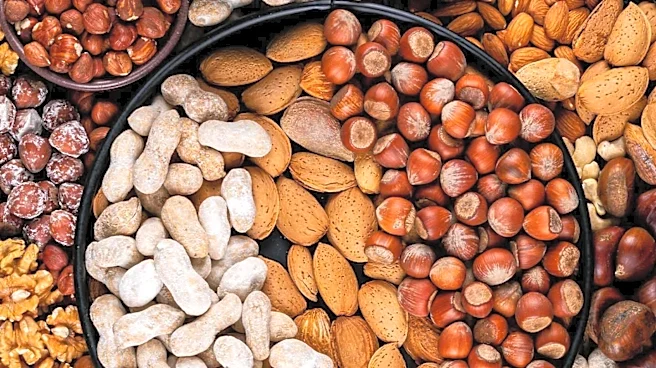
New research indicates that consuming just one serving of nuts daily is linked to a lower risk of high blood pressure, also known as hypertension. This finding comes from an analysis published in the British Journal of Nutrition, which pooled data from 143,000
individuals, including 20,665 with hypertension. The study found that eating approximately a handful of nuts (30-35g) daily was associated with a 26% lower risk of hypertension compared to not consuming nuts. While the studies were observational, meaning they show a correlation rather than direct causation, randomized controlled trials like the Dash diet trials, which involve increased intake of vegetables, whole grains, and lean protein, support the link between plant-rich diets and blood pressure reduction. Plant foods, including nuts, contribute to lower blood pressure through various mechanisms, such as providing potassium to shed sodium, fiber to produce beneficial short-chain fatty acids, and L-arginine and nitrates to widen blood vessels.
Why It's Important?
High blood pressure affects over 1.4 billion people globally and is a leading metabolic risk factor for early death, contributing to heart attacks, strokes, kidney failure, and dementia. In the U.S., where cardiovascular diseases are a major health concern, this research offers a simple and accessible dietary intervention. Incorporating a handful of nuts daily could significantly impact public health by reducing the prevalence of hypertension and its associated complications. This could lead to decreased healthcare costs and improved quality of life for millions. The findings also reinforce the broader benefits of plant-rich diets, aligning with existing recommendations for increased consumption of fruits, vegetables, whole grains, and legumes. For the food industry, this could drive increased demand for nuts and other plant-based products, encouraging healthier food options and potentially influencing agricultural practices. The affordability and practicality of this recommendation make it a powerful tool for preventative health.
What's Next?
The findings are likely to encourage health organizations and dietary guidelines in the U.S. to more explicitly recommend daily nut consumption as part of a heart-healthy diet. Public health campaigns may begin to highlight the specific benefits of nuts in blood pressure management. Further research will likely focus on understanding the optimal types and quantities of nuts for blood pressure reduction, as well as the long-term effects of consistent nut intake. The food industry may see an increase in demand for unsalted nuts, given the potential for even greater benefits compared to salted varieties. Healthcare providers may also start incorporating this recommendation into patient counseling for individuals at risk of or managing hypertension. Additionally, studies may explore the impact of combining nut consumption with other plant-based dietary changes to maximize cardiovascular health benefits.
Beyond the Headlines
This research underscores the profound impact of dietary choices on chronic disease prevention, moving beyond a focus on single nutrients to emphasize the synergistic effects of whole plant foods. It highlights the concept that even small, affordable dietary changes can yield significant health benefits, making preventative health accessible to a wider population. The emphasis on plant-based foods also aligns with broader discussions about sustainable food systems and environmental health, as plant-rich diets generally have a lower ecological footprint. Culturally, this could contribute to a shift in dietary norms, encouraging a greater appreciation for the nutritional value of nuts and other plant foods. The study also implicitly calls for more research in diverse populations, particularly from regions like Africa and India, to ensure that dietary recommendations are globally applicable and equitable, addressing existing knowledge gaps in nutritional science.