



What's Happening?
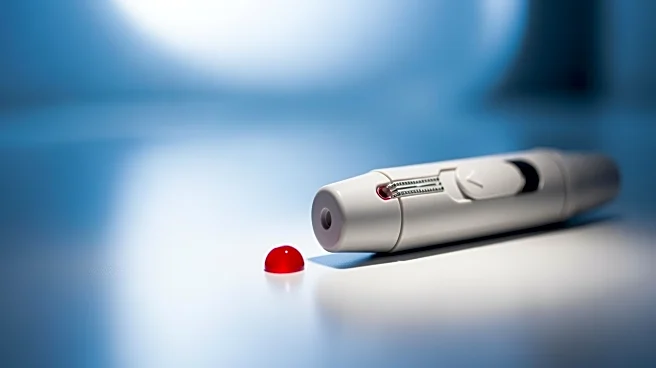
Researchers in the UK are investigating the potential of a finger-prick test to screen children for type 1 diabetes mellitus (T1DM) in its earliest stages. The 'Early surveillance for autoimmune diabetes' (ELSA) study, co-funded by Breakthrough T1D and
Diabetes UK, has shown that this method can identify auto-antibodies, which are markers of T1DM, before symptoms appear. The study involved 17,283 children aged 3-13, with some showing increased risk or early-stage T1DM. The next phase, ELSA 2, aims to expand screening to all UK children aged 2-17, establishing new NHS clinics for early-stage diabetes care.
Why It's Important?
Early detection of T1DM can significantly alter the disease's progression, offering families more time and treatment options. By identifying the condition before symptoms manifest, the need for insulin can be delayed, reducing the frequency of injections and hospital visits. This proactive approach could transform T1DM management, providing a structured pathway from screening to treatment. The initiative reflects a shift towards preventive healthcare, potentially reducing complications and improving quality of life for affected families.
What's Next?
The ELSA 2 phase will recruit 30,000 additional children, focusing on younger and older age groups. This expansion aims to create a comprehensive screening program across the UK, with the establishment of NHS clinics providing clinical and psychological support. The success of this initiative could lead to similar programs in other countries, as early detection becomes a cornerstone of diabetes management. Researchers and healthcare providers will monitor the program's impact on disease progression and healthcare outcomes.