




What's Happening?
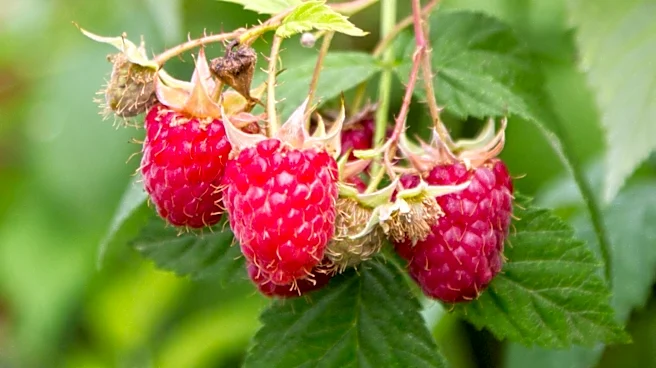
A recent study published in the British Journal of Nutrition suggests that consuming one of the daily recommended portions of fruits and vegetables in the form of juice or a smoothie could potentially help reduce symptoms of depression. The study involved
42 participants who consumed fewer than two servings of fruits and vegetables daily. They were divided into three groups: a control group, a group consuming whole fruits and vegetables, and a group consuming whole fruits and vegetables with one portion as unsweetened 100% fruit juice or a smoothie. Results indicated that those consuming juice or whole fruits and vegetables showed significantly lower depression symptoms compared to the control group. The study was funded by the Fruit Juice Science Centre, but the organization did not influence the study's design or analysis.
Why It's Important?
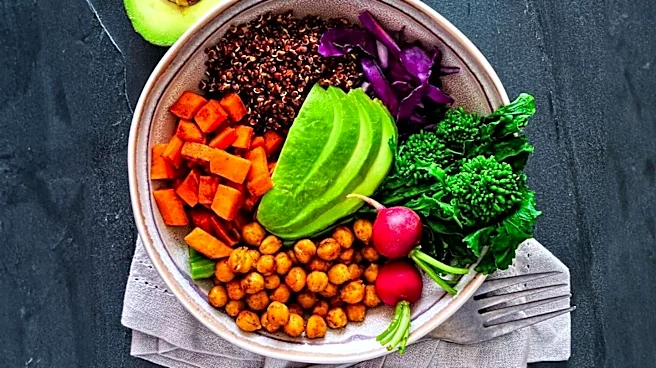
The study highlights the potential mental health benefits of incorporating fruit juice into one's diet, particularly for individuals who struggle to meet daily fruit and vegetable intake recommendations. While the effect was described as modest, it suggests that dietary improvements could support mental well-being. This finding is significant as it offers a practical dietary strategy for individuals seeking to enhance their mental health. However, experts caution against relying solely on juice for depression management, emphasizing the importance of a balanced diet and lifestyle.
What's Next?
Further research is needed to confirm these findings and explore the mechanisms by which fruit juice may influence mental health. Future studies could investigate the long-term effects of juice consumption on depression and whether specific types of juice offer greater benefits. Additionally, public health guidelines may consider incorporating these findings to encourage healthier dietary habits.