



What's Happening?
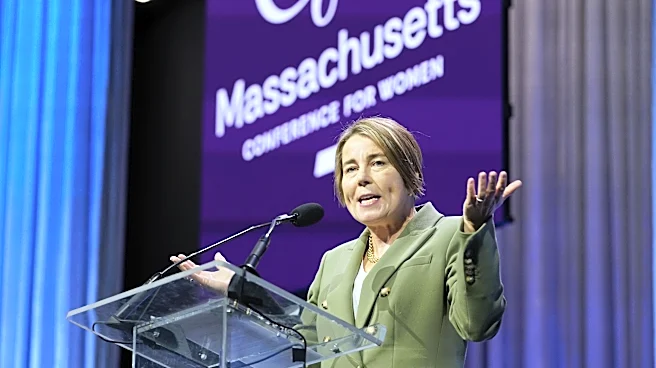
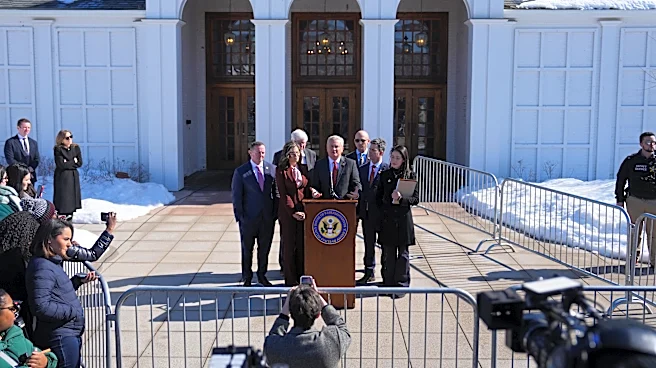
Massachusetts Governor Maura Healey has officially appointed Aladdine Joroff as the state's new Climate Chief, effective November 10. Joroff, who previously served as Deputy Climate Chief, steps into the role following Melissa Hoffer's departure to become
president of Vermont Law and Graduate School. In her new capacity, Joroff will be responsible for coordinating climate policy across various state agencies, advancing clean energy initiatives, and assisting communities in preparing for extreme weather events. Her background includes directing climate policy for the City of Boston and nearly a decade of teaching and practicing environmental law at Harvard Law School’s Emmett Environmental Law and Policy Clinic. She also led the interdisciplinary Climate Solutions Living Lab and continues as a visiting lecturer at Harvard. The position carries a salary of just over $170,000.
Why It's Important?
The appointment of Aladdine Joroff as Massachusetts' Climate Chief signifies the state's continued commitment to addressing climate change and its impacts. This role is crucial for integrating climate considerations into all aspects of state governance, from energy policy to infrastructure development and community resilience. Joroff's extensive experience in local government, academia, and environmental law positions her to lead comprehensive and science-backed climate strategies. Her focus on clean energy efforts and extreme weather preparedness is vital for a state like Massachusetts, which is vulnerable to climate-related challenges such as rising sea levels and more frequent severe storms. This appointment underscores the importance of dedicated leadership in navigating the complex environmental and economic transitions required to achieve climate goals and protect residents.
What's Next?
As Climate Chief, Aladdine Joroff will immediately begin coordinating climate policy across Massachusetts state agencies, building on the administration's existing climate agenda. Her priorities will include supporting clean energy development and enhancing community preparedness for extreme weather. This will likely involve collaborating with various departments, municipalities, and advocacy groups to implement and expand climate initiatives. Given her background, Joroff may also focus on leveraging academic research and legal frameworks to strengthen the state's environmental policies. The administration's ongoing efforts to advance climate goals will be closely watched by environmental organizations, clean energy businesses, and residents concerned about the impacts of climate change on the state.
Beyond the Headlines
Joroff's appointment highlights a growing trend in state governments to create specialized roles dedicated to climate action, reflecting the increasing recognition of climate change as a cross-cutting issue requiring integrated policy responses. Her background, combining practical experience in municipal climate policy with academic expertise in environmental law, suggests a strategic approach that will likely emphasize both regulatory frameworks and on-the-ground implementation. This move could serve as a model for other states seeking to enhance their climate governance structures. Furthermore, the focus on clean energy and extreme weather preparedness points to the dual challenge of mitigating climate change while adapting to its unavoidable effects, a balance that will be critical for Massachusetts' long-term sustainability and economic resilience.