






What's Happening?
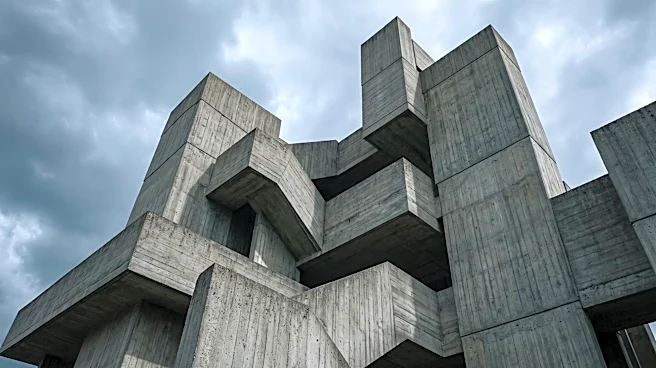
The Manhattan Federal Courthouse was at the center of a significant scandal in the 1980s involving allegations of compromised concrete quality and manipulated testing procedures in major New York construction projects. Federal prosecutors initiated an investigation
into concerns that concrete batches might not have met required specifications, and that testing results were potentially falsified to conceal these deficiencies. The controversy highlighted questions about the integrity of the concrete itself and the reliability of the systems designed to ensure public safety in construction. This investigation revealed troubling allegations regarding organized crime's influence within New York's construction industry, particularly through the 'Concrete Club,' which was allegedly controlled by powerful Mafia families. The scandal underscored how corruption could permeate legitimate institutions through paperwork, approvals, and signatures, rather than overt criminal acts, posing a hidden danger to public safety.
Why It's Important?
This scandal is important because it exposed the vulnerability of critical public infrastructure projects to corruption and organized crime, even in a building symbolizing the rule of law. The allegations that concrete strength tests were manipulated raised serious concerns about the foundational integrity of numerous New York City structures, not just the courthouse. It demonstrated how a lack of trust in testing procedures could undermine the entire construction industry, which relies heavily on the honesty of engineers, inspectors, and contractors. The potential for compromised materials, even without immediate structural failures, created an environment of uncertainty regarding public safety. This event highlighted that corruption, even when not immediately visible, could have long-term, dangerous implications for urban development and public confidence in regulatory oversight.
What's Next?
While the immediate aftermath of the 1980s scandal involved investigations and potential prosecutions, the long-term implications suggest a continued need for vigilance in construction oversight. The controversy likely prompted reforms in testing protocols and increased scrutiny of material suppliers to prevent similar occurrences. For current and future construction projects, the lessons learned from this scandal emphasize the importance of robust, transparent, and independently verified quality control measures. Stakeholders, including government agencies, construction firms, and regulatory bodies, are expected to maintain stringent standards to rebuild and sustain public trust in the safety and integrity of urban infrastructure. The ongoing challenge remains to prevent corruption from infiltrating complex construction processes, ensuring that public safety is never compromised for profit.
Beyond the Headlines
The Manhattan Federal Courthouse concrete scandal delves deeper than just faulty materials; it exposes the insidious nature of corruption within seemingly legitimate industries. It illustrates how organized crime can operate without overt violence, instead leveraging influence through complex networks of suppliers, labor unions, and politically connected figures. The scandal revealed that the greatest threat might not be immediate collapse, but the erosion of confidence in the systems designed to protect public safety. This ethical breach highlights that public safety depends not only on engineering expertise but also on honesty and accountability. The controversy serves as a stark reminder that when trust is compromised in foundational industries, the consequences can be far-reaching, affecting thousands who remain unaware of the hidden risks beneath their feet, and challenging the very notion of structural integrity and public welfare.