






What's Happening?
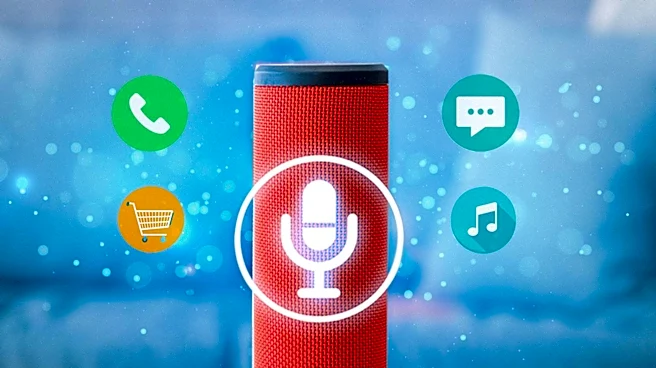
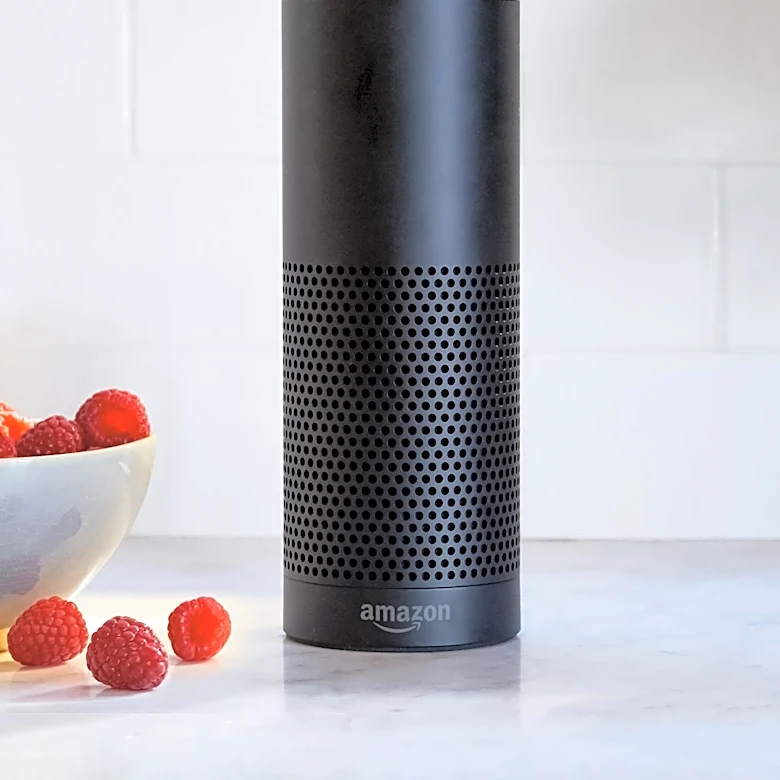
Voice-controlled devices are increasingly being integrated into smart home systems to offer convenience and accessibility, particularly for older adults. These devices enable users to manage various smart home appliances, such as lights, thermostats,
and locks, through simple voice commands, providing hands-free operation. Beyond basic controls, they facilitate essential functions like setting medication reminders, making phone calls, and initiating emergency alerts, which are especially beneficial for individuals with mobility limitations or conditions like arthritis. The technology is designed with user-friendliness in mind, often featuring large displays and automated functions that require minimal daily interaction. Recent advancements in voice recognition have improved reliability, with many systems now supporting local processing to enhance user privacy. This evolution transforms smart home technology from mere convenience gadgets into vital safety tools, fostering safer living environments for seniors.
Why It's Important?
The integration of voice-controlled devices into senior living is a significant development for U.S. society, addressing critical needs for an aging population. These technologies promote 'aging in place,' allowing older adults to maintain independence and confidence in their own homes for longer periods. This reduces the reliance on assisted living facilities, which can be costly and emotionally challenging for families. The ability to control home functions and access emergency services hands-free directly mitigates risks such as falls, a leading cause of injury among seniors. Furthermore, features like automated medication dispensers and remote health monitoring can prevent preventable hospitalizations by ensuring adherence to treatment plans and enabling early detection of health issues. This not only improves the quality of life for seniors but also offers greater peace of mind for their families and caregivers, potentially easing the burden on the healthcare system by shifting towards proactive and preventive care models.
What's Next?
The future of voice-controlled devices in senior care is expected to see continued advancements, particularly in artificial intelligence and predictive analytics. These systems will likely become even more personalized, learning individual routines and identifying subtle changes that could indicate developing health issues like cognitive decline or depression before they become critical. Further integration with remote patient monitoring will allow healthcare providers to intervene earlier, potentially leading to more tailored and effective care plans. Manufacturers will continue to focus on making these technologies more intuitive and accessible, ensuring they are easy for older adults to learn and use. Additionally, there will be an ongoing emphasis on privacy enhancements, with more devices supporting local processing to minimize data transmission. The goal is to create comprehensive, interconnected ecosystems that support daily routines, enhance safety, and promote overall well-being for seniors, while continuously balancing technological capabilities with the essential need for human connection and personalized care.
Beyond the Headlines
Beyond the immediate benefits of convenience and safety, the widespread adoption of voice-controlled devices in senior care raises deeper ethical and societal considerations. While these technologies empower seniors to live independently, there's a delicate balance between monitoring for safety and respecting privacy. The collection and analysis of daily activity data, even for beneficial purposes, could lead to concerns about surveillance and data security. There's also the potential for a 'digital divide,' where seniors with limited access to technology or financial resources might be excluded from these advancements, exacerbating existing inequalities. Culturally, relying heavily on technology for care could inadvertently diminish human interaction, which is crucial for emotional well-being. The long-term shift towards AI-driven predictive care also necessitates robust regulatory frameworks to ensure accountability, transparency, and the ethical use of artificial intelligence in vulnerable populations. Society must grapple with how to leverage these innovations to enhance life without compromising fundamental human rights and social connections.