







What's Happening?
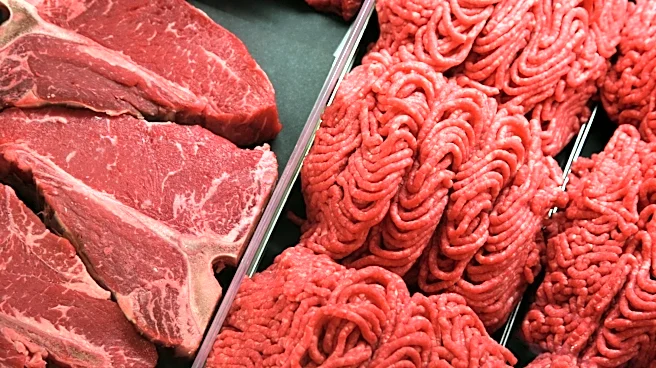
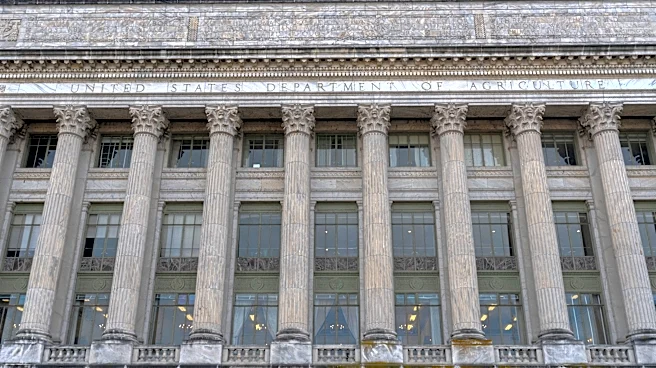
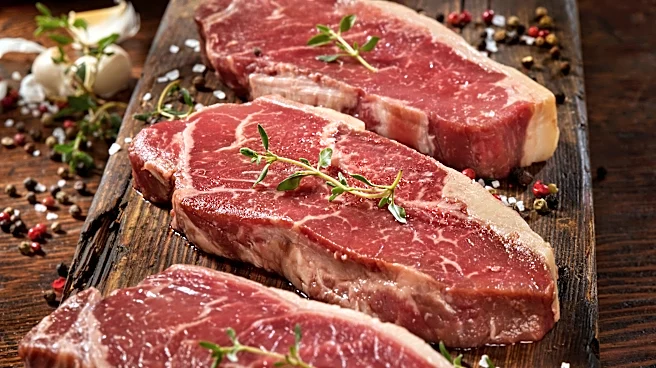
More than 160,000 pounds of raw pork, beef, and goat are being recalled across the U.S. because the products were shipped with falsified USDA inspection stickers and were not properly inspected by federal authorities. The U.S. Department of Agriculture
(USDA) announced the recall, stating that the meat was produced on various dates before September 22 and bore an establishment number, EST. 1363, which does not have a federal grant of inspection. Star Meat Delivery Inc., based in Lucama, North Carolina, is the company responsible for the recalled products. The USDA warns that food produced without proper inspection may contain undeclared allergens, harmful bacteria, or other contaminants. While there have been no confirmed reports of illnesses or injuries, consumers are advised to discard or return the misbranded products. Star Meat Delivery, however, claims the establishment number was legitimately reserved as part of an ongoing USDA application process.
Why It's Important?
This recall is critically important for public health and consumer trust in the food supply chain. The absence of proper USDA inspection means that the meat products did not undergo the necessary safety and quality checks designed to protect consumers from foodborne illnesses and other hazards. The falsification of inspection labels undermines the integrity of the federal inspection system, which is a cornerstone of food safety in the U.S. For consumers, it raises concerns about the safety of the meat they purchase and consume. For the food industry, it highlights the severe consequences of non-compliance with federal regulations and the potential for significant financial and reputational damage. This incident also underscores the vigilance required by regulatory bodies like the USDA's Food Safety and Inspection Service (FSIS) to detect and address such violations, ensuring that only safe and properly inspected products reach the market.
What's Next?
The USDA's investigation into Star Meat Delivery Inc. is ongoing, and the agency has indicated that the amount of recalled meat could increase. Consumers who have purchased these products should immediately check for the establishment number EST. 1363 and either discard the meat or return it to the place of purchase. The USDA will continue to monitor the situation for any confirmed reports of illnesses. Star Meat Delivery Inc. has stated its cooperation with authorities and its claim that the establishment number was part of an application process will likely be a key point in the ongoing investigation. This incident may lead to stricter enforcement measures or increased scrutiny of companies seeking federal inspection grants. It could also prompt a review of the application process for USDA inspection to prevent similar occurrences of mislabeled products entering the market before full approval.
Beyond the Headlines
Beyond the immediate health and safety concerns, this recall exposes deeper issues within the food production and regulatory landscape. The falsification of inspection labels points to potential vulnerabilities in oversight and the economic pressures that might lead companies to bypass critical safety protocols. It raises questions about the effectiveness of current monitoring systems and the penalties for such violations. This incident could trigger a broader discussion about the balance between rapid market entry for food producers and the rigorous standards necessary to ensure public safety. Furthermore, it highlights the complex supply chains in the food industry, where products can move through multiple distributors and retailers, making it challenging to track and recall mislabeled items. The event serves as a stark reminder that consumer confidence in food safety relies heavily on the integrity of regulatory processes and the ethical conduct of all entities involved in bringing food to the table.