



What's Happening?
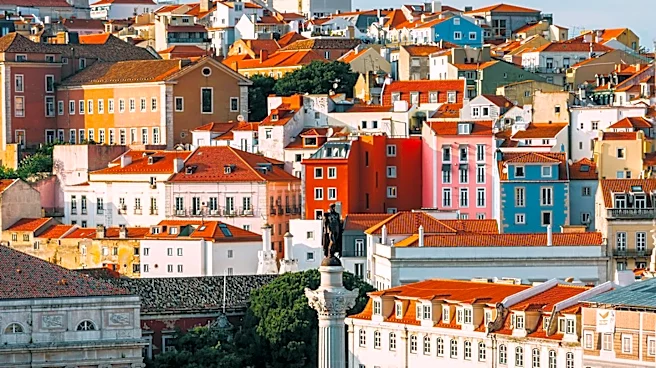
Lisbon, the capital city of Portugal, is characterized by its unique topography, built on seven hills, and its distinctive pastel-colored buildings. The city is a blend of historical charm and modern attractions, offering a rich cultural experience. Key
attractions include the LX Factory, a vibrant industrial area repurposed into a creative hub, and the Village Underground, known for its artistic and cultural events. Historical landmarks such as Marquês de Pombal Square, the MAAT + Electricity Museum, and the Lisbon Tropical Botanical Garden showcase the city's diverse heritage. For nature enthusiasts, the Lisbon Zoo provides an opportunity to explore wildlife. The city's main airport, Humberto Delgado Airport, is conveniently located 7km north of the city center, providing essential ground and cargo services, facilitating both tourism and business travel.
Why It's Important?
Lisbon's appeal as a cultural and historical destination has significant implications for the tourism industry, attracting visitors who contribute to the local economy through hospitality, retail, and cultural experiences. The city's blend of historical sites and modern amenities, such as the LX Factory and Village Underground, positions it as a dynamic urban center capable of drawing diverse demographics, from history buffs to contemporary art enthusiasts. The efficient operation of Humberto Delgado Airport is crucial for maintaining Lisbon's accessibility as an international gateway, supporting both passenger traffic and cargo operations, which are vital for trade and economic growth. The preservation of its unique architectural style and cultural traditions, like fado music, also contributes to its distinct identity, fostering a sense of place that is increasingly valuable in a globalized world.
What's Next?
Lisbon is expected to continue its development as a major European tourist destination, with ongoing efforts to enhance its infrastructure and expand its cultural offerings. The city's commitment to preserving its historical sites while integrating modern attractions suggests a sustainable growth model for tourism. Future developments may include further revitalization projects in historical districts, similar to the LX Factory, to create new spaces for commerce and culture. Improvements in public transportation and airport services are also likely to be prioritized to accommodate increasing visitor numbers and facilitate smoother travel experiences. The city may also explore new initiatives to promote its unique cultural heritage, potentially through international collaborations and digital platforms, to reach a wider global audience.
Beyond the Headlines
Beyond its immediate economic impact, Lisbon's cultural vibrancy and historical depth offer profound insights into European history and the evolution of urban landscapes. The city's ability to blend its melancholic fado music with contemporary art scenes reflects a dynamic cultural identity that embraces both tradition and innovation. The architectural diversity, from pastel-colored buildings to repurposed industrial spaces, tells a story of continuous adaptation and resilience. This cultural richness fosters a unique atmosphere that can inspire creativity and cross-cultural understanding. The city's commitment to maintaining its distinct character while embracing modernity serves as a model for other historical cities grappling with the challenges of globalization and urban development, highlighting the importance of cultural preservation in the face of progress.