





What's Happening?
The US Navy has been utilizing dolphins for military purposes for nearly 70 years, primarily for detecting underwater mines and objects. This practice has come under scrutiny as tensions rise in the Strait of Hormuz, with concerns about Iran potentially
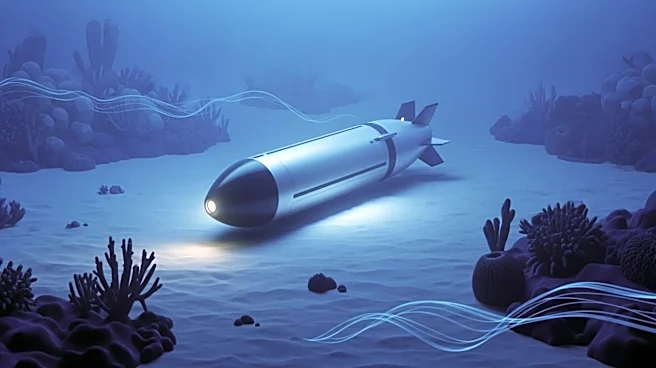
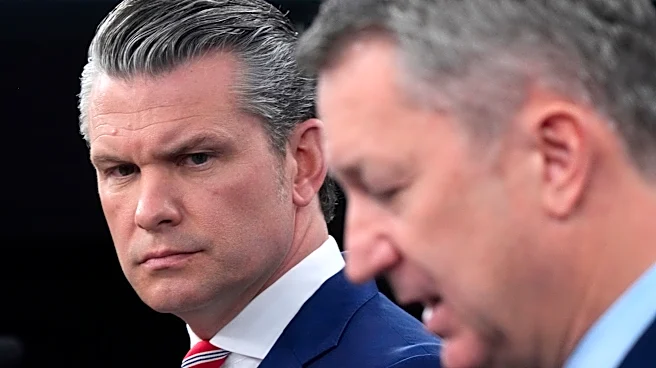
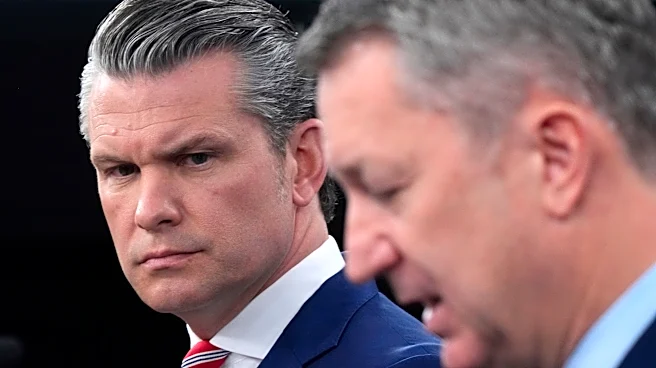
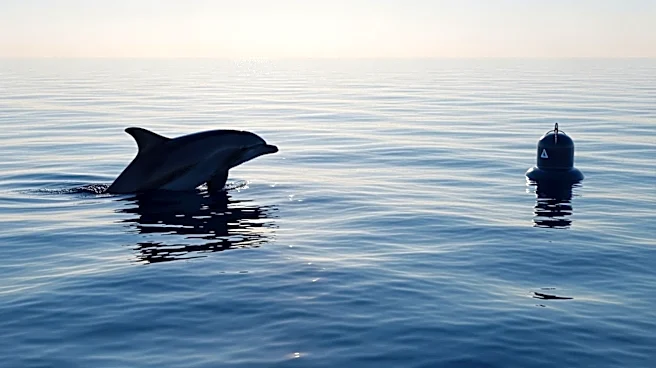
using similar tactics. US Secretary of Defense Pete Hegseth recently addressed these concerns, confirming that Iran does not have an active military dolphin unit. However, he did not confirm or deny whether the US employs 'kamikaze dolphins.' The US Navy's Marine Mammal Program trains bottlenose dolphins and California sea lions to locate mines and other underwater hazards, a task where technology still falls short. These animals are not typically deployed in active combat zones but are used post-conflict to ensure safe passage through mined waters.
Why It's Important?
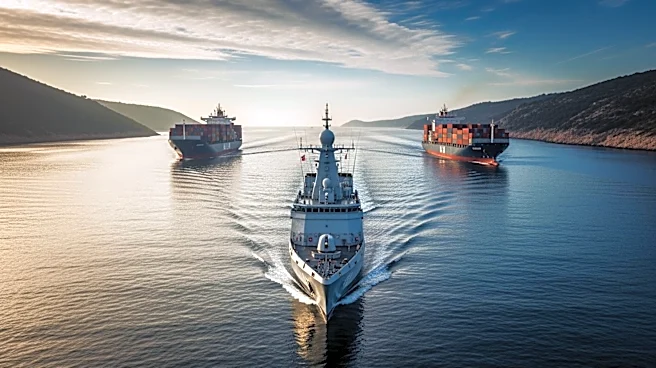
The use of marine mammals in military operations highlights the ongoing strategic importance of the Strait of Hormuz, a critical chokepoint for global oil shipments. The potential for Iran to deploy dolphins as underwater mine carriers could escalate tensions and complicate naval operations in the region. The US Navy's reliance on dolphins underscores the limitations of current technology in underwater detection and the unique capabilities these animals provide. This situation raises ethical questions about the use of animals in military operations and the potential for escalation in a region already fraught with geopolitical tensions.
What's Next?
As the situation in the Strait of Hormuz develops, the US and its allies may need to reassess their naval strategies and the role of marine mammals in military operations. Diplomatic efforts could be intensified to prevent the militarization of marine life and to address the broader security concerns in the region. The US Navy may also explore advancements in technology to reduce reliance on animals for mine detection, potentially leading to new innovations in underwater surveillance and safety.
Beyond the Headlines
The ethical implications of using animals in military operations are significant, raising questions about animal rights and the moral responsibilities of military forces. The declassification of the US Navy's dolphin program in the 1990s alleviated some concerns, but the potential for other nations to adopt similar tactics could lead to international debates on the humane treatment of animals in warfare. Additionally, the strategic use of marine mammals could influence future military doctrines and the development of non-lethal methods for securing maritime routes.