







What's Happening?
The Rhode Island Public Interest Research Group (RIPIRG) has called for a two-year statewide moratorium on the construction of new data centers consuming 50 megawatts or more of electricity. This request, published on RIPIRG's website, coincides with
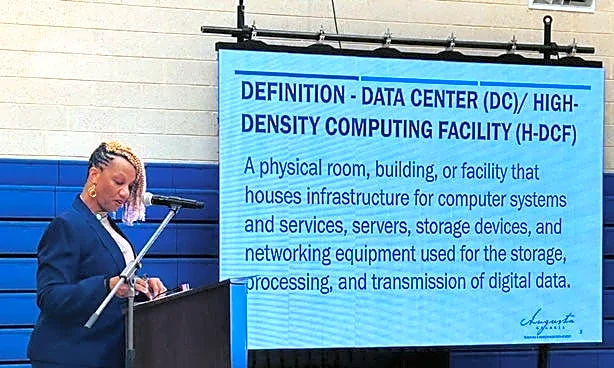
the implementation of Rhode Island Energy's new residential delivery tariff and a procedural dispute before Smithfield's Board of Appeals concerning a proposed corporate complex that could include data centers. RIPIRG's advocacy document, authored by Andre Delattre of The Public Interest Network, cites concerns over electricity demand, water consumption, noise, and land use. The organization argues that a pause is necessary to allow state and local governments time to develop comprehensive regulations addressing these impacts. Currently, Rhode Island lacks statutory requirements for large data centers to cover their own grid upgrade costs or report water usage, leaving open questions about who bears the financial and environmental burdens of such facilities.
Why It's Important?
RIPIRG's call for a moratorium on large data centers highlights critical infrastructure and environmental challenges facing Rhode Island. The rapid growth of data centers, driven by increasing demand for digital services and artificial intelligence, poses significant strains on existing energy grids and water resources. Without clear regulations, the costs associated with upgrading infrastructure to support these energy-intensive facilities could disproportionately fall on residential ratepayers, impacting household budgets. Furthermore, the substantial water consumption of data centers raises environmental concerns, particularly in a state like Rhode Island, which may face water scarcity issues. The lack of transparency regarding water usage and the absence of specific efficiency requirements could lead to unsustainable practices. This issue also touches upon local governance, as towns like Smithfield grapple with the implications of large-scale development and the need for adequate zoning and planning to manage these impacts.
What's Next?
The request for a two-year moratorium will likely spark further debate among state and local officials, environmental groups, and industry stakeholders in Rhode Island. While RIPIRG's proposal is an advocacy document and not a legislative bill, it could influence future policy discussions and potentially lead to the introduction of new legislation. The ongoing procedural dispute in Smithfield regarding the proposed corporate complex, which may include data centers, will be closely watched as it could set precedents for how such projects are evaluated and approved. Rhode Island Energy's future rate cases will also be critical, as they will determine how the costs of connecting large customers, including data centers, are allocated. The Public Interest Network's broader campaign across 24 states suggests a growing national movement to address the environmental and infrastructural impacts of data centers, which could bring increased pressure on Rhode Island to act.
Beyond the Headlines
The debate over data center development in Rhode Island extends beyond immediate concerns about energy and water to touch upon broader questions of sustainable economic growth and technological advancement. While data centers are crucial for the digital economy and AI development, their environmental footprint necessitates a careful balance between innovation and ecological responsibility. The lack of comprehensive state-level regulations reflects a common challenge faced by many regions as they adapt to the rapid evolution of technology. This situation could prompt a re-evaluation of how states incentivize and regulate high-tech industries, ensuring that economic benefits do not come at an undue cost to the environment or existing communities. It also highlights the power of advocacy groups like RIPIRG in shaping public discourse and pushing for policy changes that address emerging environmental and infrastructure challenges in the digital age.