









What's Happening?
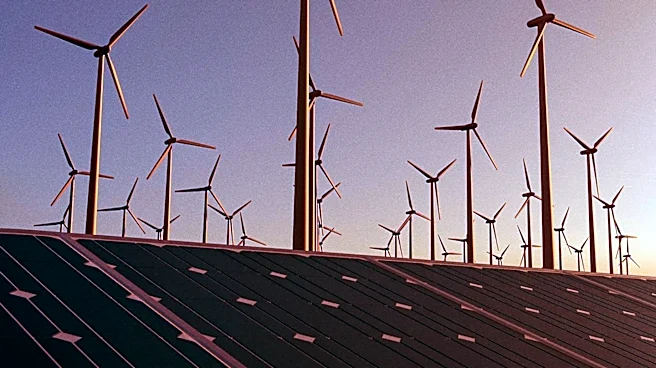
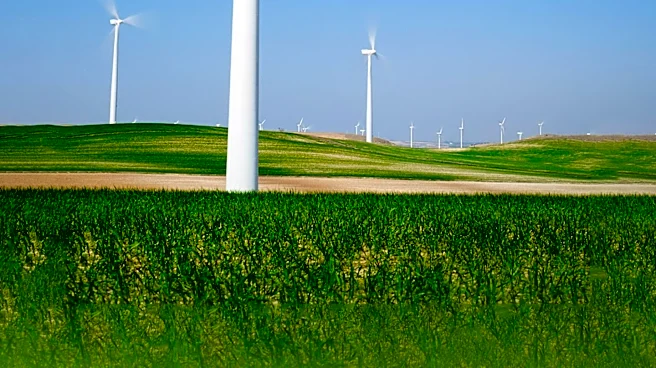
Wind energy, a clean and renewable power source, is actively displacing harmful emissions traditionally associated with fossil fuel power plants. This displacement contributes to a significant reduction in carbon emissions, positioning wind energy as a safer
and more environmentally friendly generation option for both human populations and natural ecosystems. National wildlife organizations, including the Audubon Society, support responsibly planned wind power projects, recognizing their role in protecting birds from climate and pollution-related impacts. Developers are conducting thorough environmental studies and coordinating with federal and state wildlife agencies to ensure that wind farms are sited in locations where potential impacts on birds and bats are minimized and mitigated.
Why It's Important?
The shift towards wind energy is crucial for mitigating climate change and improving air quality across the United States. By reducing reliance on fossil fuels, wind power helps to decrease the release of greenhouse gases and other pollutants that contribute to respiratory illnesses and environmental degradation. The support from wildlife organizations underscores the potential for harmonious coexistence between renewable energy infrastructure and ecological conservation, provided that projects are planned and executed responsibly. This transition is vital for achieving national climate goals and fostering a sustainable energy future, offering long-term benefits for public health and biodiversity.
What's Next?
The continued expansion of wind energy projects will likely involve ongoing efforts to refine siting practices and mitigation strategies to further minimize environmental impacts. Research and development will focus on improving turbine efficiency and reducing potential risks to wildlife, such as through advanced detection systems and operational adjustments. Public education campaigns will also be essential to address concerns and build broader community support for wind energy development. As technology advances and regulatory frameworks evolve, wind energy is expected to play an increasingly prominent role in the U.S. energy mix, contributing significantly to decarbonization efforts and energy independence.
Beyond the Headlines
The narrative around wind energy often includes concerns about its impact on wildlife, particularly birds and bats. However, the data indicates that modern wind farms account for a very small fraction of human-related bird deaths compared to other factors like buildings, communication towers, and pesticides. This highlights the importance of evidence-based discussions in energy policy and public discourse. The integration of conservation efforts, such as habitat restoration programs funded by wind developers, demonstrates a commitment to holistic environmental stewardship. This approach ensures that the pursuit of clean energy not only reduces emissions but also contributes positively to ecological health and biodiversity.