






What's Happening?
The COVID-19 pandemic has significantly altered the economic landscape of Fairfield County, Connecticut. Between 2019 and 2023, the region experienced a modest increase in jobs held by residents, despite a slight decline in jobs physically located in the area.
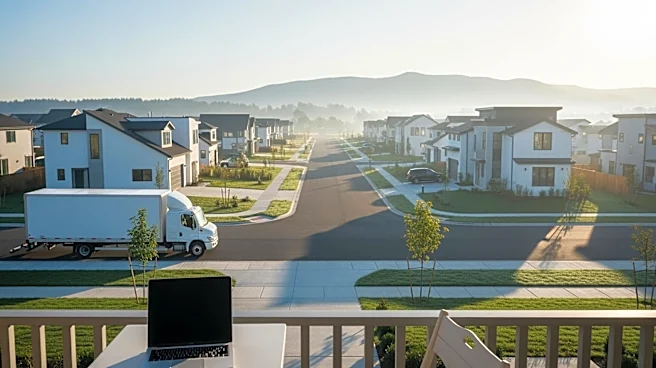
This shift is attributed to a rise in remote work, particularly for out-of-state employers, and an increase in residents commuting to other Connecticut counties. The region saw a dramatic swing in migration patterns, with a net positive migration of 19,500 people from 2020 to 2024, reversing a previous trend of domestic outflow. Key industries such as manufacturing saw slight job increases post-pandemic, while financial activities and professional services continued to struggle.
Why It's Important?
The changes in Fairfield County's economy highlight the broader impact of the pandemic on regional job markets and migration trends. The shift towards remote work and increased commuting to other counties reflects a transformation in how and where people work. This has implications for local economies, housing markets, and infrastructure planning. The positive migration trend suggests a renewed attractiveness of the region, potentially driven by lifestyle changes and remote work flexibility. However, the continued struggles in key industries like finance indicate ongoing challenges in adapting to the post-pandemic economic environment.
What's Next?
As Fairfield County continues to adapt to these changes, local policymakers and businesses may need to focus on supporting remote work infrastructure and addressing the needs of a growing population. Efforts to revitalize struggling industries and attract new businesses could be crucial in sustaining economic growth. Additionally, understanding the long-term impacts of migration patterns will be important for future planning and development strategies.