








What's Happening?
Israel is embarking on a significant urban renewal initiative in cities like Givatayim and Holon, aiming to replace aging low-rise buildings with modern high-rise towers. These redevelopment projects, led by architect Adi Assif, focus on creating new urban centers
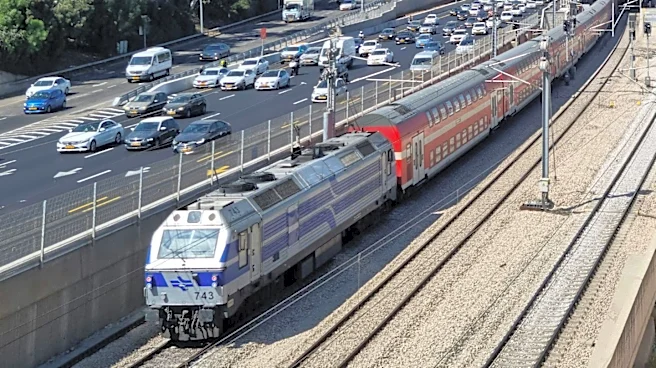
that integrate residential, commercial, and public spaces. The plan includes constructing towers between 30 and 60 stories high, adding thousands of new housing units, and developing commercial and employment centers. A key component of this transformation is the integration of an advanced public transportation network centered around a future metro system. This approach is designed to reduce car dependency and promote a mixed-use environment where people can live, work, and spend leisure time within walking distance.
Why It's Important?
The urban renewal projects in Israel represent a shift towards more sustainable and efficient city planning. By focusing on high-density development and public transportation, these plans aim to address issues like overcrowding and lack of public space. The initiative is expected to enhance the quality of urban life by providing more green spaces and pedestrian-friendly environments. Additionally, the mixed-use philosophy is intended to keep city streets active throughout the day, contributing to a vibrant urban atmosphere. This approach aligns with global trends in urban development, where cities prioritize people over vehicles and aim to create self-sufficient urban centers outside traditional metropolitan cores.
What's Next?
As these urban renewal projects progress, the focus will be on implementing the approved plans and integrating the new metro network with the surrounding urban infrastructure. The success of these initiatives will depend on effective collaboration between architects, city planners, and local governments. Residents can expect to see gradual changes in their neighborhoods as construction begins and new facilities are developed. The projects are expected to be completed within the next decade, transforming the urban landscape and potentially serving as a model for future city planning efforts in Israel and beyond.

