







What's Happening?
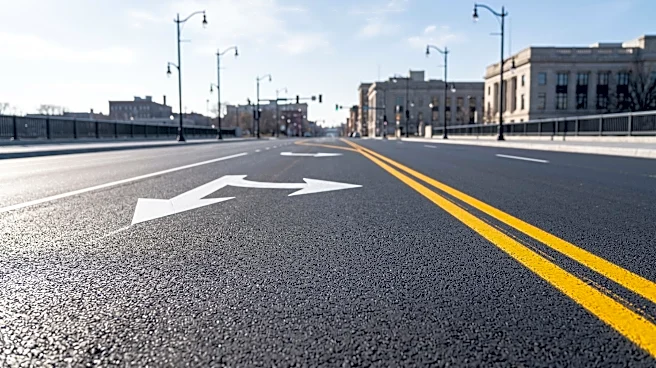
The city of Davenport, Iowa, is commencing a phased conversion to two-way travel on 4th Street, beginning this week. The initial phase will focus on the section between Harrison Street and River Drive. Over the next two weeks, city crews will be actively
engaged in painting new road markings, installing updated signage, and modifying traffic signals to accommodate the change. Once this work is completed, 4th Street will officially switch to two-way traffic within this specific segment. A subsequent phase will address the section between Marquette and Harrison Streets, which will be converted after resurfacing work in that area is finalized. Motorists should anticipate lane reductions between Harrison and Fillmore Streets as the resurfacing efforts continue.
Why It's Important?
The conversion of 4th Street to two-way travel in Davenport represents a significant urban planning initiative with potential impacts on local commerce, traffic flow, and pedestrian safety. Historically, many cities have moved away from one-way street systems to promote more direct access to businesses, encourage slower traffic speeds, and enhance the pedestrian experience. For local businesses along 4th Street, this change could lead to increased visibility and customer access, potentially boosting economic activity. However, it also requires an adjustment period for drivers and pedestrians, which could initially cause confusion or congestion. The project reflects a broader trend in urban development aimed at creating more walkable and accessible city centers, aligning with modern urban planning principles that prioritize community engagement and sustainable transportation. The success of this conversion could serve as a model for future infrastructure projects in Davenport and other similar-sized cities.
What's Next?
Over the next two weeks, Davenport city crews will be focused on the critical tasks of painting, adding signage, and updating signals for the initial section of 4th Street between Harrison Street and River Drive. Following this, the first segment will officially transition to two-way traffic. Motorists and residents should remain vigilant for new traffic patterns and signage during this period of adjustment. The city will then proceed with the conversion of the section between Marquette and Harrison Streets, which is contingent upon the completion of resurfacing work. Lane reductions are expected to persist between Harrison and Fillmore Streets as resurfacing continues. Public awareness campaigns and clear temporary signage will be crucial to ensure a smooth transition and minimize disruption for commuters and local businesses.
Beyond the Headlines
Beyond the immediate traffic implications, the conversion of 4th Street to two-way travel could signify a shift in Davenport's urban identity and planning philosophy. This move often reflects a desire to revitalize downtown areas, making them more pedestrian-friendly and attractive for mixed-use development. The change could foster a stronger sense of community by encouraging slower traffic and more direct routes, potentially leading to increased social interaction and local commerce. However, it also presents challenges, such as managing parking, ensuring adequate pedestrian infrastructure, and educating the public on new traffic rules. The long-term success of this project will depend on its ability to adapt to evolving urban needs and integrate seamlessly with Davenport's broader vision for its future development, potentially influencing property values and investment in the area.