








What's Happening?
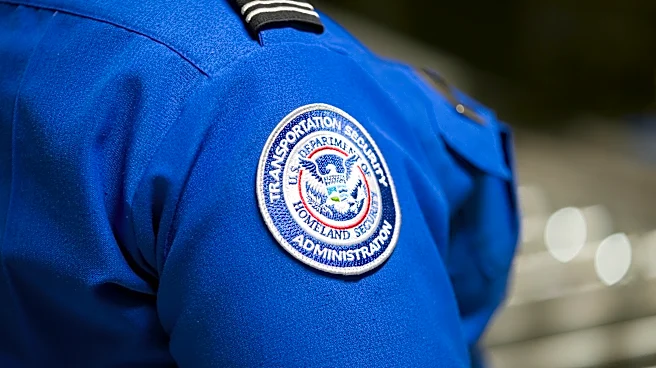
The Transportation Security Administration (TSA) has increased the fee for travelers who do not possess a REAL ID when flying domestically. Initially set at $18, the fee has now more than doubled to $45 as of February 1, 2026. This change follows the enforcement
of the REAL ID requirement in May 2025, which mandates a standardized form of state identification for domestic air travel. The fee is intended to cover the costs of using TSA's modernized alternative identification verification system, known as TSA ConfirmID, which allows passengers without a REAL ID to access secure areas of airports if their identity can be confirmed. The increase in fees was attributed to higher than expected technology expenses and operational costs, according to senior TSA officials. Passengers without a REAL ID must complete an online form and pay the fee, a process that can take up to 30 minutes.
Why It's Important?
The increase in fees for travelers without a REAL ID highlights the ongoing challenges and costs associated with implementing national security measures. The REAL ID Act, signed into law in 2005, aims to enhance security by standardizing identification requirements across states. The fee hike reflects the financial burden on both the TSA and travelers, as the agency seeks to recover costs associated with new technology and operations. This development underscores the importance of compliance with federal identification standards, as non-compliant travelers face additional financial and procedural hurdles. The policy impacts a wide range of stakeholders, including airlines, airports, and passengers, by potentially increasing travel costs and complicating the boarding process for those without a REAL ID.
What's Next?
Travelers can expect continued enforcement of the REAL ID requirement, with the TSA likely to maintain or further adjust fees based on operational costs and technological advancements. As the deadline for full compliance approaches, states may experience increased demand for REAL IDs, potentially leading to longer wait times at Department of Motor Vehicles (DMV) offices. Airlines and airports may also need to adjust their operations to accommodate passengers navigating the new identification requirements. The TSA will continue to monitor the effectiveness of the REAL ID program and may implement additional measures to streamline the process and reduce costs for travelers.