







What's Happening?
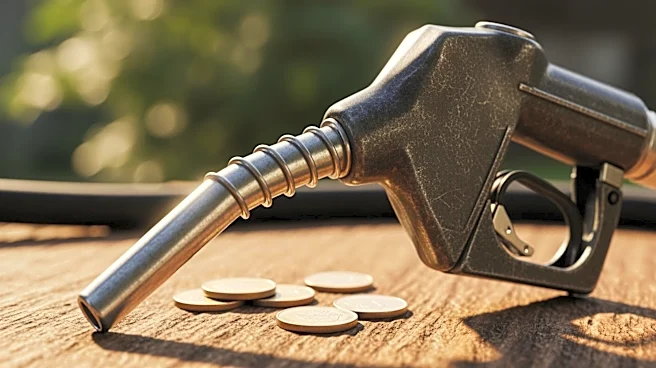
Irish Prime Minister Micheál Martin announced a new package of fuel tax cuts totaling 505 million euros ($592 million) in response to widespread protests over soaring gas prices. The protests, led by farmers and truckers, have caused significant disruptions,
including blockades at Ireland's only oil refinery and several depots, leading to fuel shortages. The protests were sparked by the closure of the Strait of Hormuz due to the U.S.-Israel conflict with Iran, which has driven up global oil prices. The Irish government had previously approved a 250 million euro tax break to alleviate the cost of living pressures. Despite the new measures, it remains uncertain if the protests will subside.
Why It's Important?
The protests highlight the significant impact of global geopolitical tensions on local economies, particularly in terms of energy prices. The Irish government's response underscores the challenges faced by nations in balancing economic stability with public discontent. The situation also reflects the broader issue of energy dependency and the vulnerability of economies to international conflicts. The protests have put pressure on the Irish government, with opposition parties like Sinn Fein calling for a no-confidence vote, indicating potential political ramifications.
What's Next?
The proposed tax cuts require parliamentary approval, and their effectiveness in quelling the protests remains to be seen. The government faces ongoing political pressure, with opposition parties criticizing its handling of the crisis. The resolution of the protests and the restoration of fuel supplies will be closely watched, as will the government's ability to maintain public confidence amid rising living costs.