





What's Happening?
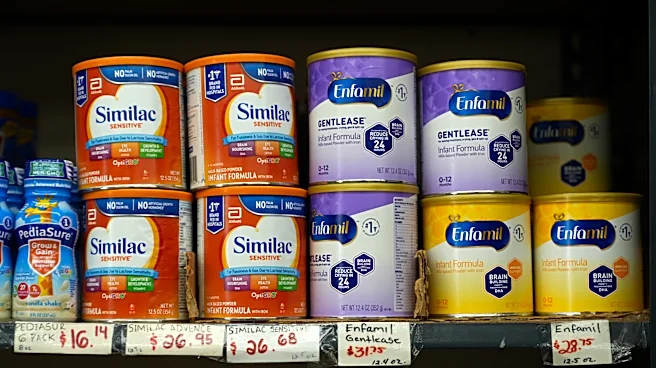
The U.S. Food and Drug Administration (FDA) has announced that recent tests of infant formula available in the United States have shown very low levels of contaminants, confirming the safety of the nation's supply. The FDA tested over 300 samples from
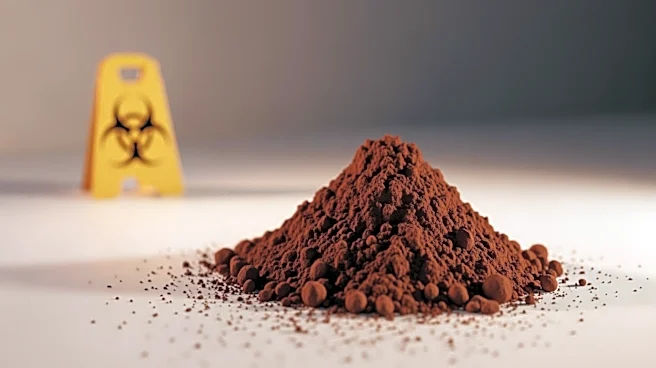
16 different brands, screening for heavy metals, pesticides, and synthetic chemicals. The results indicated that most samples had undetectable or very low levels of these contaminants. The FDA used the Environmental Protection Agency's drinking water limits as a benchmark, as the U.S. lacks specific heavy metal standards for infant formula.
Why It's Important?
The FDA's findings are crucial for ensuring public confidence in the safety of infant formula, a vital product for many families. The confirmation of low contaminant levels helps reassure parents and healthcare providers about the safety of feeding these products to infants. This development also underscores the need for establishing federal standards for heavy metals in infant formula, a step that could lead to more stringent regulations and improved safety measures. The ongoing testing and potential regulatory changes could impact manufacturers, prompting them to adopt stricter quality control processes to meet any new standards.
What's Next?
The FDA plans to continue its testing efforts to ensure ongoing safety and compliance. Health Secretary Robert F. Kennedy Jr. is set to host a roundtable with industry executives to discuss reducing food chemicals and reviewing infant formula nutrients. This could lead to collaborative efforts between the government and manufacturers to establish federal standards for contaminants in infant formula. The outcome of these discussions may influence future regulatory policies and industry practices, potentially leading to enhanced safety protocols and consumer trust.