





What's Happening?
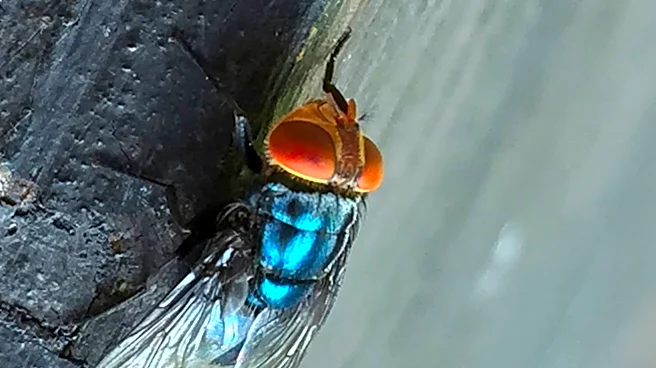
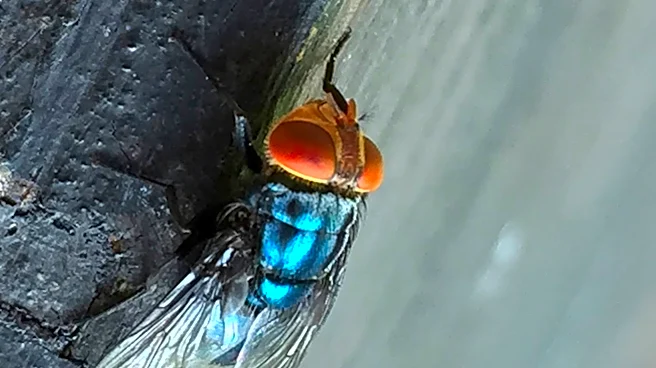
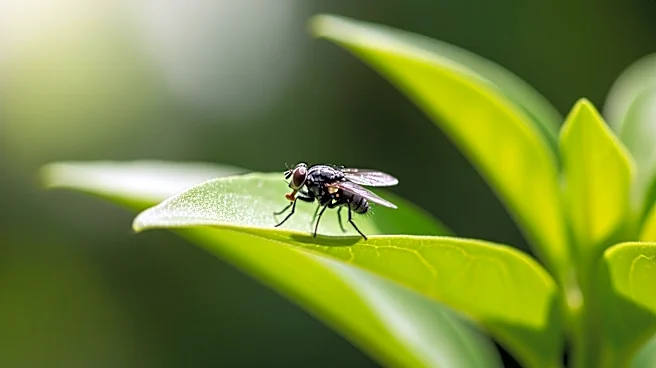
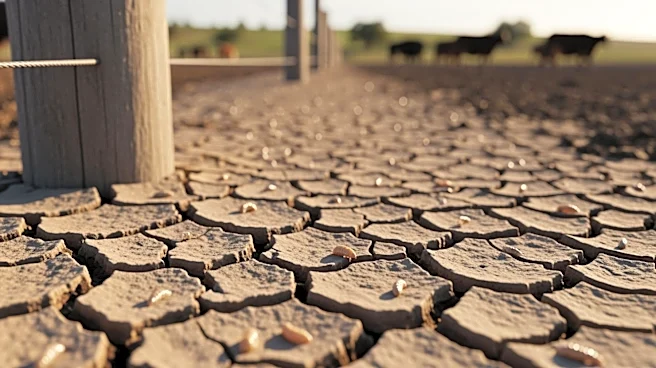
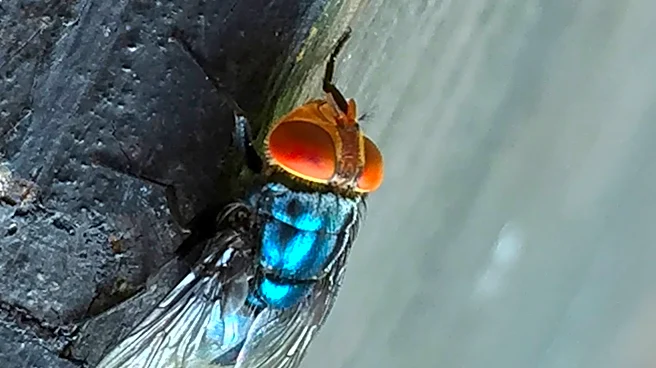
The USDA is responding to a screwworm outbreak by deploying sterile flies to affected areas in the U.S. This action comes after at least five cases of the New World screwworm fly were confirmed, posing a threat to the $113 billion U.S. cattle industry.
The screwworm, a flesh-eating parasite, has not been seen in Texas since 1966. The USDA's strategy involves releasing sterile flies to interrupt the breeding cycle of the screwworm, aiming to eradicate the parasite and protect livestock.
Why It's Important?
The reemergence of the screwworm fly poses a significant risk to the U.S. cattle industry, which is a vital component of the national economy. The USDA's intervention is crucial to prevent potential economic losses and ensure the health and safety of livestock. This situation highlights the importance of biosecurity measures and rapid response strategies in managing agricultural pests and diseases. The outcome of this intervention could influence future policies and preparedness plans for similar outbreaks.
What's Next?
The success of the USDA's sterile fly deployment will be closely monitored to assess its effectiveness in controlling the screwworm population. If successful, this method could serve as a model for managing other pest outbreaks. The cattle industry and agricultural stakeholders will likely advocate for continued research and investment in biosecurity measures to prevent future threats. Additionally, the USDA may review and update its protocols to enhance readiness for similar challenges.