
What's Happening?
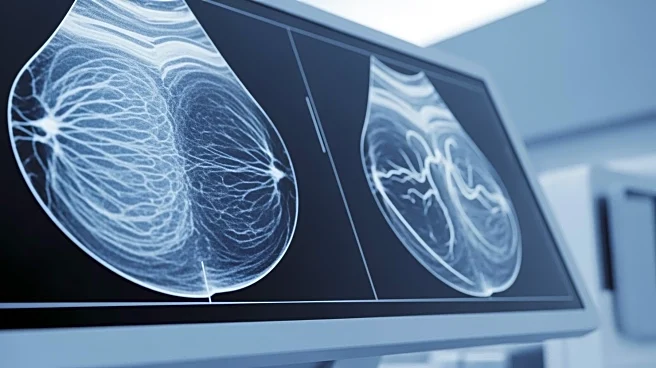
Recent studies suggest that mammography scans, traditionally used for breast cancer detection, may also help identify heart disease risk through the presence of breast arterial calcifications (BAC). These
calcifications, visible on mammograms, have been linked to an increased risk of cardiovascular disease. Researchers at Mount Sinai in New York are exploring the potential of using BAC as a predictor of heart disease, particularly in women. The findings could lead to the integration of heart disease risk assessment into routine mammography screenings, providing an additional tool for early detection and prevention.
Why It's Important?
The ability to detect heart disease risk through mammography could revolutionize preventive healthcare for women, who often experience cardiovascular issues at later stages compared to men. By identifying BAC during routine screenings, healthcare providers can offer early interventions, potentially reducing the incidence of heart attacks and improving patient outcomes. This approach represents a significant advancement in women's health, leveraging existing diagnostic tools to address a leading cause of mortality. The integration of heart disease risk assessment into mammography could enhance the overall effectiveness of screening programs and promote proactive healthcare management.