






What's Happening?
Miguel Díaz-Canel, the First Secretary of the Central Committee of the Communist Party of Cuba and President of the Republic, visited the Aguada del Cura water supply source in the Boyeros municipality of Havana. This visit is part of the ongoing national
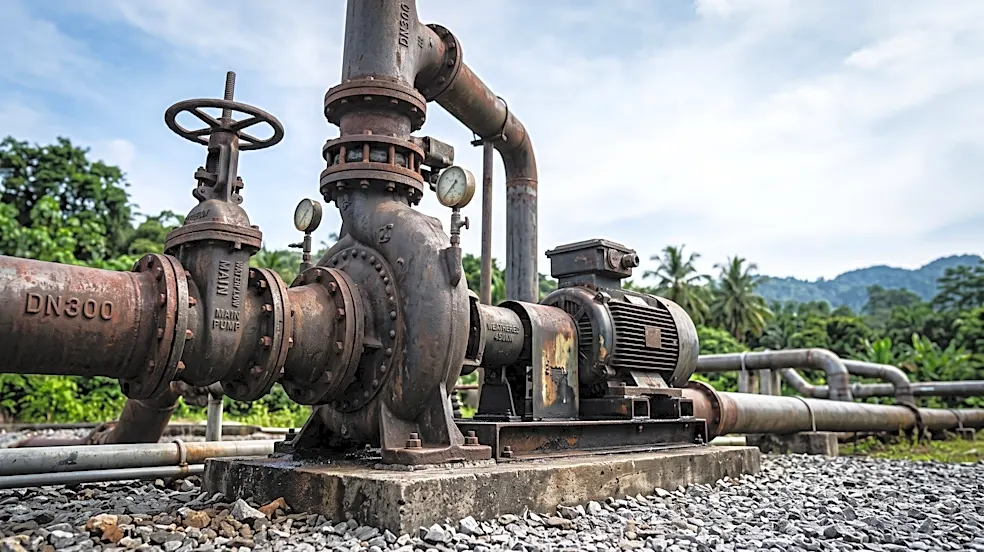
monitoring of the Comprehensive Water Supply Assurance Program. During his visit, President Díaz-Canel received a detailed explanation of the water source, which supplies the Central Supply System, Santiago de las Vegas, and Terminal 1 of José Martí International Airport. Key challenges identified at Aguada del Cura include deteriorated civil infrastructure, lack of automation in the distribution node, wear in the pipeline to Santiago de las Vegas, and electrical instability. A work plan has been established to address these issues, including integral maintenance of the Pumping Station, recovery of basic automation, restoration of the pipeline, and actions to ensure electrical stability. The President also inquired about improvements in other parts of the capital, noting progress in Arroyo Naranjo but highlighting unfavorable situations in Boyeros and Cotorro due to a lack of pumping equipment. Following this, he visited three economic entities in the Cerro municipality: MATHISA (Sanitary Hygiene Materials Company), Hidrox (a Mipyme providing cleaning services to hospitals), and Grupo PRODANCO (a Mipyme offering paints and hardware items).
Why It's Important?
The President's direct involvement in reviewing the water supply program underscores the critical importance of water infrastructure to public health and daily life in Cuba. The identified issues, such as deteriorated infrastructure and electrical instability, point to systemic challenges in maintaining essential services, which can significantly impact the quality of life for residents and the operational capacity of key facilities like the international airport. The acknowledgment of disparities in service improvement across different municipalities (e.g., progress in Arroyo Naranjo versus challenges in Boyeros and Cotorro) highlights potential inequities in resource allocation or implementation effectiveness. Furthermore, the visits to economic entities like MATHISA, Hidrox, and PRODANCO signal a focus on economic transformations and the role of small and medium-sized enterprises (Mipymes) in national development. Addressing 'trabas' (obstacles) faced by businesses like Hidrox is crucial for fostering economic growth and efficiency, which can have broader implications for employment and the availability of goods and services.
What's Next?
The established work plan for Aguada del Cura, including maintenance, automation recovery, and electrical stability measures, indicates a concerted effort to improve water supply infrastructure. The President's commitment to revisiting MATHISA in a few months suggests an ongoing evaluation of the impact of economic transformations on these entities. The discussions with Hidrox and PRODANCO about projects, alliances, and new activities, particularly in the context of Cuba's 176 Economic and Social Transformations, suggest a push towards greater efficiency and national economic benefit from these businesses. Continued monitoring and implementation of these plans will be essential to see tangible improvements in water supply and economic performance. The focus on overcoming obstacles for Mipymes could lead to policy adjustments aimed at facilitating their growth and contribution to the national economy.
Beyond the Headlines
The President's emphasis that 'behind every figure that speaks of water deficit affects the lives of people' reveals a recognition of the human impact of infrastructure failures. This statement suggests a desire to connect policy decisions with the daily realities of citizens, potentially aiming to build public trust or address discontent. The challenges in water supply, coupled with the broader economic difficulties, highlight the complex interplay between infrastructure, economic policy, and social well-being. The visits to Mipymes, while framed as part of economic transformations, also occur in a context where the government is seeking to leverage all economic actors for national benefit, possibly as a response to the ongoing economic blockade. The mention of 'trabas' hindering business growth points to internal bureaucratic or regulatory challenges that, if not addressed, could impede the success of these economic reforms. The overall narrative suggests a government grappling with both external pressures and internal inefficiencies in its efforts to improve living conditions and economic stability.