
What's Happening?
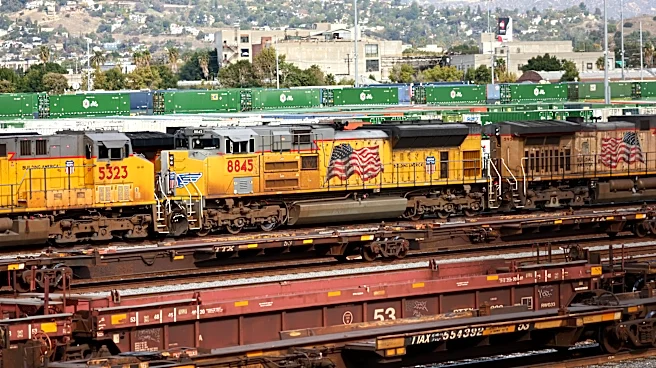
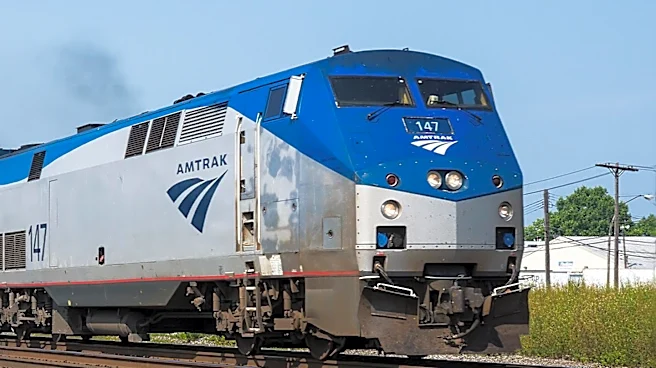
A federal environmental study has concluded that Amtrak's proposed railyard relocation from the South Loop to an area near Rate Field in Bridgeport would have an 'insignificant' environmental impact. The
Federal Railroad Administration released its environmental assessment, which acknowledges construction-related impacts and moderate noise issues for four residential clusters near 30th and Canal streets and on Normal Avenue. However, it largely asserts that the new facility would have negligible overall environmental effects. The project involves moving Amtrak's maintenance facility to a neighborhood setting, which has drawn strong opposition from local residents and officials, including Ald. Nicole Lee (11th) and Cook County Commissioner John P. Daley, who argue the study was rushed and incomplete.
Why It's Important?
This federal assessment is crucial for the future of Amtrak's operations and the potential redevelopment of the South Loop. While the study claims minimal environmental impact, community opposition highlights concerns about noise pollution, air quality, and the general quality of life for residents in Bridgeport and Chinatown. The relocation is also linked to potential plans by White Sox owner-in-waiting Justin Ishbia to redevelop the current Amtrak site into a ballpark-anchored megadevelopment, making the railyard move a critical precursor. The dispute between federal findings and local concerns underscores the challenges of balancing infrastructure development with community well-being and environmental protection. The outcome will significantly affect local residents, property values, and the urban landscape of Bridgeport.
What's Next?
The environmental assessment is expected to be released soon, followed by a 30-day public comment period. The Federal Railroad Administration plans to host two public meetings, though dates and details are yet to be announced. The federal agency anticipates completing the environmental review and permitting process by December 31. Community groups, such as the Armour Bridgeport Coalition, and local officials are likely to continue challenging the assessment's findings, potentially advocating for a full, independent environmental impact study. The ongoing public discourse and any subsequent legal actions could delay or alter the project's timeline and scope, impacting both Amtrak's operational plans and the proposed redevelopment in the South Loop.
Beyond the Headlines
The controversy surrounding the Amtrak railyard project in Bridgeport highlights a recurring tension between federal infrastructure projects and local community interests. The claim of 'insignificant' environmental impact by a federal agency, contrasted with strong local opposition, raises questions about the thoroughness and impartiality of such assessments. It also brings to the forefront issues of environmental justice, as industrial relocations often disproportionately affect established residential areas. The project's connection to a potential major sports development further complicates the narrative, intertwining public infrastructure with private economic interests. This situation could set a precedent for how similar large-scale urban development and relocation projects are evaluated and implemented, emphasizing the need for robust community engagement and independent oversight in environmental reviews.