



What's Happening?
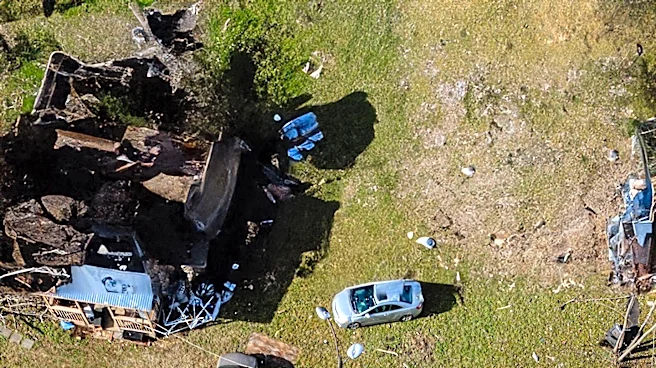
The Federal Emergency Management Agency (FEMA) has denied specific portions of Colorado's request for disaster aid following the Aspen Acres and Gold Mountain fires in Pueblo and Custer counties. While the federal government approved Colorado's Major
Disaster Declaration for other requests, including public assistance for critical infrastructure repair and debris cleanup, FEMA rejected the Individual Assistance and Hazard Mitigation Grant Program components. Individual Assistance would have provided direct financial help to affected residents for temporary housing and home rebuilding. The Hazard Mitigation Grant Program aims to support communities in rebuilding efforts and reduce their vulnerability to future events. Governor Jared Polis expressed disappointment with the denial, emphasizing the state's ongoing efforts to coordinate debris cleanup with local governments. The state is currently evaluating its options and next steps, including a potential appeal of FEMA's decision within 30 days.
Why It's Important?
FEMA's denial of Individual Assistance and Hazard Mitigation Grant Program funding carries significant implications for the affected communities in Colorado. Without Individual Assistance, families who lost homes or were displaced by the Aspen Acres and Gold Mountain fires will face greater financial burdens in their recovery efforts, potentially delaying or hindering their ability to rebuild their lives. The rejection of Hazard Mitigation Grant Program funds means that communities rebuilding after these fires may remain more exposed to future natural disasters. This decision could lead to increased long-term costs for the state and local governments, as they might have to bear a larger share of future disaster recovery expenses. It also highlights a potential gap in federal support for direct individual recovery and proactive community resilience, which could disproportionately impact vulnerable populations in disaster-prone areas.
What's Next?
Following FEMA's partial denial, Colorado's state government is assessing its options and determining the next course of action. Governor Jared Polis's office has indicated that the state has 30 days to appeal the denial. This appeal process would involve presenting further justification and evidence to FEMA to demonstrate the critical need for the requested Individual Assistance and Hazard Mitigation Grant Program funds. Concurrently, the state will continue its coordination with local governments on the approved public assistance programs, focusing on debris cleanup and critical infrastructure repair. The outcome of a potential appeal will significantly influence the financial resources available to fire-affected families and communities, and it will also set a precedent for how similar disaster aid requests are handled in the future, potentially impacting other states facing natural disaster recovery.
Beyond the Headlines
The denial of specific disaster aid components by FEMA raises broader questions about the federal government's approach to disaster recovery and resilience, particularly in the face of increasing natural disaster frequency and intensity. While public assistance for infrastructure is crucial, the rejection of direct aid to individuals and mitigation funding could signal a shift in federal priorities or a more stringent interpretation of eligibility criteria. This could place a greater burden on state and local governments, as well as non-profit organizations, to fill the funding gaps for individual recovery and long-term community protection. The decision also underscores the ongoing debate about the balance between immediate relief and proactive measures to reduce future disaster impacts, potentially influencing future policy discussions on federal disaster aid frameworks and climate change adaptation strategies across the U.S.