



What's Happening?
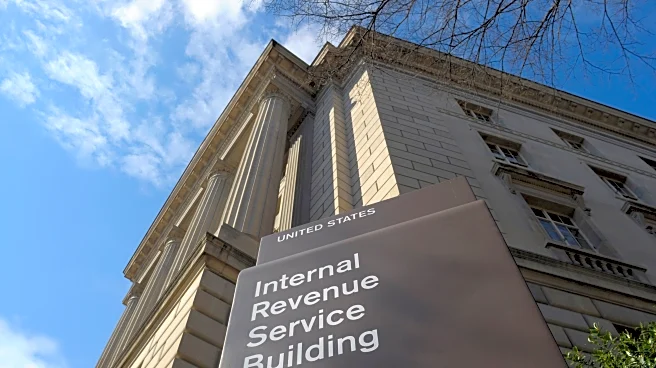
The IRS is under scrutiny for its handling of the Employee Retention Credit (ERC) claims, a vital COVID-19 relief measure. According to a report by the Government Accountability Office, the IRS claimed to have closed all non-examined ERC claims by the end
of 2025, leaving about 41,000 claims in the system. However, many tax practitioners report that numerous claims remain unresolved, with no audits, disallowances, or refunds issued. The IRS's backlog and lack of a process for executing Form 907, which extends the period for filing lawsuits, have led to claims being denied due to expired deadlines. This situation has forced some businesses to consider costly litigation to preserve their claims.
Why It's Important?
The handling of ERC claims by the IRS has significant implications for small businesses that relied on these credits for financial relief during the pandemic. The delays and procedural issues could result in businesses losing out on refunds they are entitled to, impacting their financial stability. The situation highlights systemic issues within the IRS, such as staffing shortages and administrative inefficiencies, which could undermine taxpayer rights and trust in the tax system. The potential for increased litigation also poses a financial burden on small businesses, which may not have the resources to pursue legal action against the federal government.
What's Next?
Tax practitioners are advised to closely monitor the status of their clients' ERC claims and consider legal action if necessary. The IRS is urged to address the backlog and improve its processes to prevent further denials based on procedural technicalities. The National Taxpayer Advocate has highlighted the need for a fair and just tax system, emphasizing the importance of resolving these issues promptly. Businesses and their representatives may need to engage with the Taxpayer Advocate Service or congressional representatives to seek resolution.