





What's Happening?
The Australian Space Agency has announced that six mysterious objects, referred to as 'space balls', found on the beaches of north Queensland are likely debris from a foreign rocket body that recently re-entered the Earth's atmosphere. These objects, discovered
by the public over a weekend, were initially suspected to contain hazardous chemicals. Experts have identified them as pressurized fuel balls, a common type of space debris. The agency is working with international authorities to confirm the launch vehicle and the launching state. The 1967 United Nations Outer Space Treaty, which Australia is a signatory to, governs such space debris, stating that the launching state retains ownership. This means Australia may need to negotiate with the launching state regarding the debris.
Why It's Important?
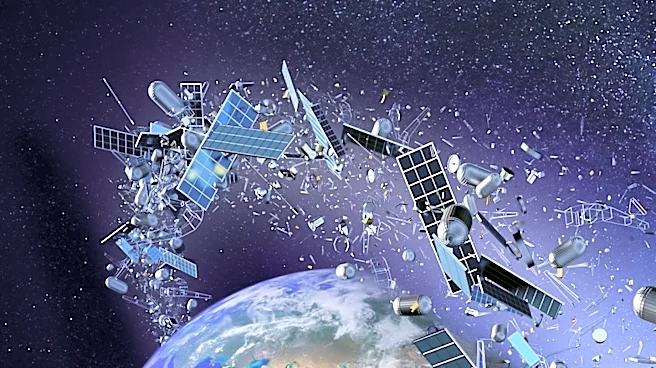
The discovery of these 'space balls' highlights the ongoing issue of space debris and its potential hazards. As space exploration and satellite launches increase, the risk of debris re-entering Earth's atmosphere and causing harm grows. This incident underscores the importance of international cooperation and treaties like the 1967 United Nations Outer Space Treaty in managing space debris. It also raises awareness about the need for effective space debris management to prevent potential environmental and safety hazards. The situation could impact future policies on space exploration and debris management, influencing how countries handle such incidents.
What's Next?
Australia will continue to engage with international authorities to confirm the origin of the debris. Depending on the launching state's response, negotiations may occur regarding the return or disposal of the debris. This incident may prompt discussions on improving international protocols for space debris management and could lead to stricter regulations or new agreements to address the growing issue of space debris.