








What's Happening?
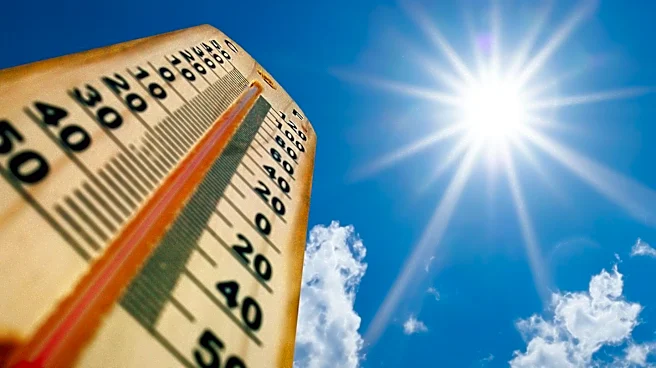
A severe heat wave is affecting the western United States, with temperatures forecasted to reach up to 117 degrees in some desert areas. The National Weather Service has issued extreme heat warnings and advisories for millions in the desert Southwest
and parts of the Southeast. Arizona, particularly Phoenix, is experiencing prolonged high temperatures, with forecasts predicting continued extreme heat. The heat wave is also affecting parts of Nevada, New Mexico, Texas, Arkansas, and Florida. The extreme conditions have led to increased emergency responses, with Phoenix reporting a significant number of heat-related incidents.
Why It's Important?
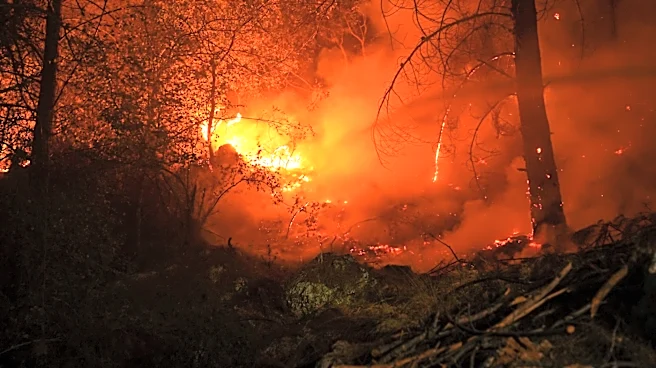
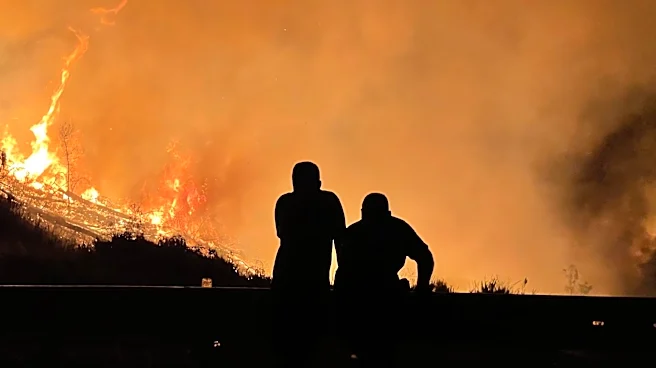
The ongoing heat wave poses serious health risks, including heat cramps, exhaustion, and potentially fatal heat strokes. The extreme temperatures are straining emergency services and increasing the risk of wildfires due to dry conditions and lightning strikes. The heat wave highlights the growing challenges of climate change, as such extreme weather events become more frequent and severe. The impact on public health, infrastructure, and emergency services underscores the need for effective heat management strategies and climate adaptation measures.
What's Next?
As the heat wave continues, authorities are likely to maintain and possibly extend heat advisories and warnings. Emergency services will remain on high alert to respond to heat-related incidents. Communities may implement cooling centers and other measures to protect vulnerable populations. The situation may prompt discussions on long-term strategies to mitigate the effects of extreme heat, including urban planning adjustments and increased investment in climate resilience infrastructure.