



What's Happening?
Arizona has recorded its lowest number of acres burned by wildfires in a quarter-century during 2026. Despite this positive development, fire crews in the state are not reducing their vigilance, acknowledging that the risk of wildfires in the desert region
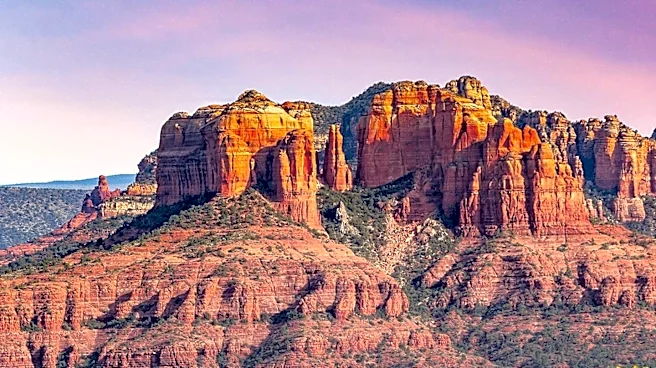
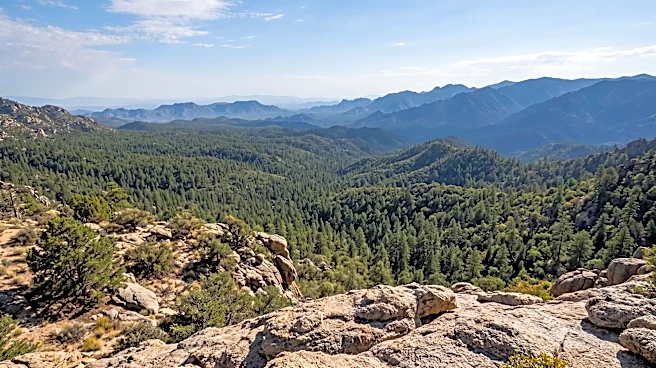
is present year-round. The Tonto National Forest, spanning nearly 3 million acres, highlights the significant effort required to control fires when they do ignite in the state. Residents and visitors, like Sandy Clark, appreciate the natural beauty of areas such as Rim Country, underscoring the importance of fire prevention and control efforts.
Why It's Important?
The record-low wildfire activity in Arizona for 2026 is significant for several reasons. Environmentally, fewer acres burned means less destruction of natural habitats, reduced air pollution from smoke, and preservation of biodiversity within the state's vast natural landscapes, including the Tonto National Forest. Economically, it can lead to lower costs associated with firefighting efforts, property damage, and potential impacts on tourism. For residents, it means a reduced threat to homes and communities, fostering a greater sense of security. The continued vigilance of fire crews, despite the favorable year, underscores the persistent threat of wildfires and the need for ongoing preparedness and resource allocation to protect both natural resources and human settlements.
What's Next?
Despite the current low activity, Arizona's fire crews will continue their proactive measures and readiness for future wildfire seasons. The understanding that there is no definitive 'wildfire season' in the desert means that prevention, monitoring, and rapid response protocols will remain in effect throughout the year. This ongoing vigilance will likely involve continued public education campaigns on fire safety, maintenance of firebreaks, and strategic deployment of resources to quickly address any new ignitions. The state will likely analyze the factors contributing to this record-low year to inform future fire management strategies, aiming to sustain or improve upon these positive trends.
Beyond the Headlines
The sustained low wildfire activity in Arizona could have broader implications beyond immediate safety and environmental benefits. It might influence long-term land management policies, potentially shifting focus towards ecological restoration in areas previously prone to frequent fires. This trend could also impact insurance markets, potentially leading to reassessments of risk in certain regions. Furthermore, it highlights the effectiveness of current fire management strategies and public awareness campaigns, offering valuable lessons for other wildfire-prone regions across the U.S. The continued dedication of fire crews, even during a quiet year, reinforces the critical role of preparedness in mitigating natural disasters.