
What's Happening?
CRISPR gene editing has emerged as a groundbreaking tool in the treatment of genetic diseases, with its first approved therapy in 2023. Victoria Gray, who suffered from severe sickle cell disease, was
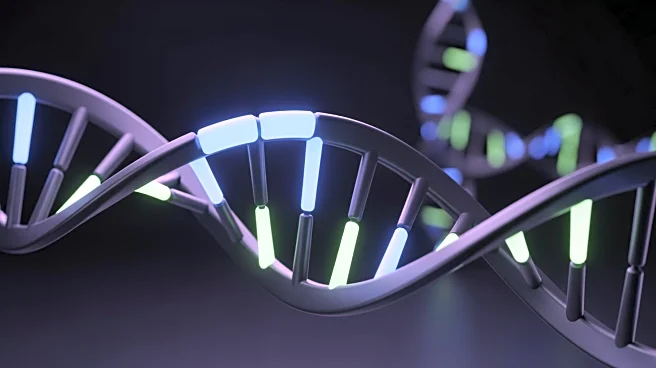
effectively cured in 2019 through this revolutionary technique. CRISPR allows for precise changes to be made to specific DNA sequences, offering potential treatments not only for genetic conditions but also for reducing risks of heart attacks and strokes by permanently lowering cholesterol levels. The technology is currently being tested in hundreds of clinical trials, indicating its vast potential in medical applications. CRISPR's ability to correct 'spelling mistakes' in DNA has also begun to transform agriculture by enabling the development of disease-resistant crops and livestock.
Why It's Important?
The approval and ongoing development of CRISPR-based therapies mark a significant advancement in medical science, offering hope for curing genetic diseases that were previously deemed untreatable. This technology could revolutionize healthcare by providing targeted treatments that address the root causes of diseases at the genetic level. The potential to lower cholesterol levels and reduce the risk of cardiovascular diseases could have a profound impact on public health, potentially decreasing healthcare costs and improving quality of life. Furthermore, CRISPR's application in agriculture could lead to more sustainable farming practices, enhancing food security and resilience against climate change.
What's Next?
As CRISPR technology continues to evolve, it is expected to become a routine part of medical treatment, potentially altering human genomes to reduce the risk of common diseases. The ongoing clinical trials will provide more data on its efficacy and safety, paving the way for broader applications. Ethical considerations and regulatory frameworks will need to be addressed as the technology becomes more widespread, particularly concerning its use in human germline editing. The agricultural sector may also see increased adoption of CRISPR to develop crops and livestock better suited to changing environmental conditions.
Beyond the Headlines
The rise of CRISPR technology raises important ethical and legal questions about genetic modification, particularly in humans. The potential to alter human genomes could lead to debates about 'designer babies' and the implications of genetic enhancements. There is also the risk of unintended consequences, such as off-target effects, which could pose safety concerns. As CRISPR becomes more integrated into various sectors, it will be crucial to establish guidelines and regulations to ensure its responsible use, balancing innovation with ethical considerations.