


What's Happening?
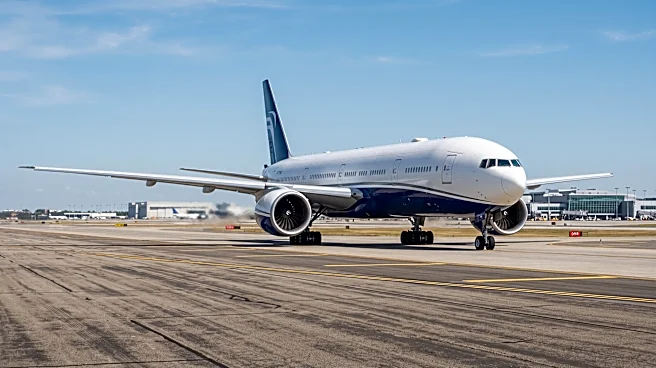
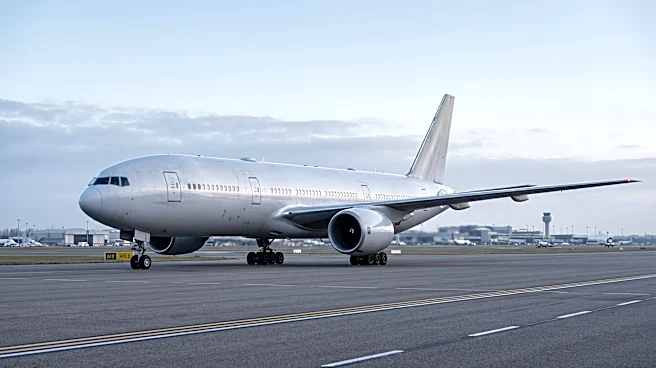
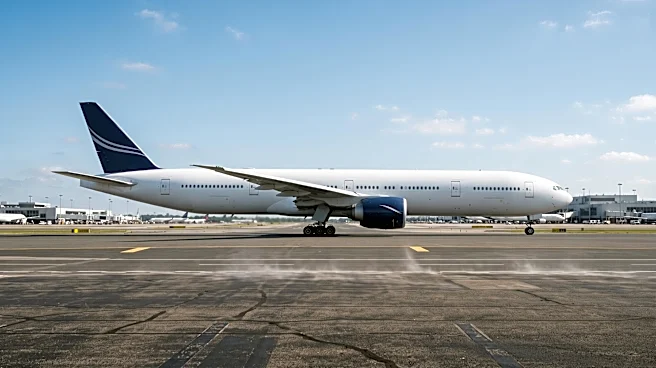
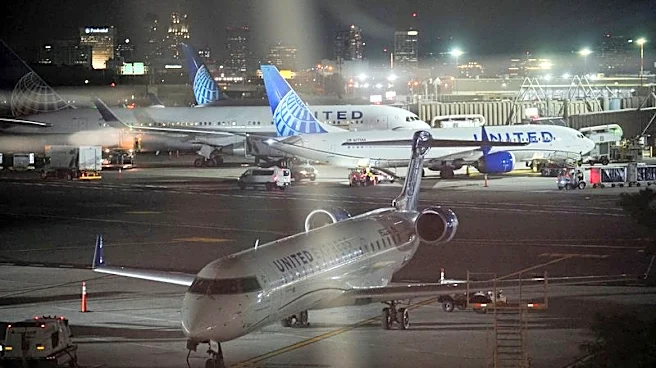
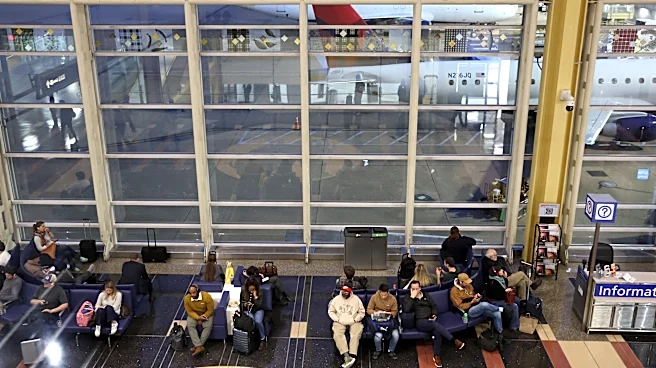
The Federal Aviation Administration (FAA) issued a nationwide ground stop on Friday, November 13, 2026, severely impacting hundreds of flights across the United States. This rare measure was implemented due to communication problems affecting multiple
air traffic control centers. An internal report from Alaska Air Group (ALK) confirmed that the air traffic control system collapse was primarily caused by technical malfunctions in communication and radar equipment. The ground stop mandates that all flights scheduled to depart remain at their origin airports to ensure absolute safety during flight operations and with ground infrastructure. For international flights already en route to the U.S., authorities stated that a case-by-case review and guidance approach would be adopted. FAA technical personnel are actively investigating the issue to restore normal flight operations as quickly as possible.
Why It's Important?
A nationwide ground stop is an extremely rare and drastic measure for the U.S. aviation market, underscoring the severity of the technical issues encountered. Such an event can have significant economic repercussions, leading to widespread flight cancellations and delays, impacting airlines, passengers, and cargo operations. Airlines face substantial financial losses from disrupted schedules, compensation for stranded passengers, and operational costs. For the broader economy, it can disrupt supply chains, business travel, and tourism. Historically, similar large-scale ground stops, such as the one in January 2023 due to a NOTAM system failure or the post-9/11 events, have highlighted vulnerabilities in critical aviation infrastructure. These incidents can erode public confidence in air travel safety and the reliability of air traffic control systems, potentially leading to short-term market volatility for aviation-related stocks.
What's Next?
The immediate focus for the FAA and aviation authorities is to identify and rectify the technical communication and radar equipment failures that led to the ground stop. Once the issues are resolved, a phased resumption of flights is expected, prioritizing safety and minimizing further disruptions. Airlines will work to re-accommodate affected passengers and manage the backlog of flights, which could take several days to fully normalize. Investigations into the root cause of the system failure will likely continue, potentially leading to new protocols or investments in upgrading air traffic control infrastructure to prevent future occurrences. The incident may also prompt discussions among lawmakers and industry stakeholders regarding the resilience and modernization of the national airspace system.
Beyond the Headlines
This incident highlights the critical dependence of modern air travel on complex, interconnected technological systems. The failure of communication and radar equipment, even for a short period, can cascade into widespread disruption, revealing potential single points of failure within the national air traffic control network. Beyond the immediate operational and economic impacts, such events raise questions about cybersecurity vulnerabilities and the need for robust backup systems in critical infrastructure. The long-term implications could include increased scrutiny of FAA funding for technology upgrades, a push for greater redundancy in air traffic control systems, and a re-evaluation of emergency response protocols for large-scale aviation disruptions. It also underscores the delicate balance between maintaining operational efficiency and ensuring absolute safety in a highly dynamic environment.