
What's Happening?
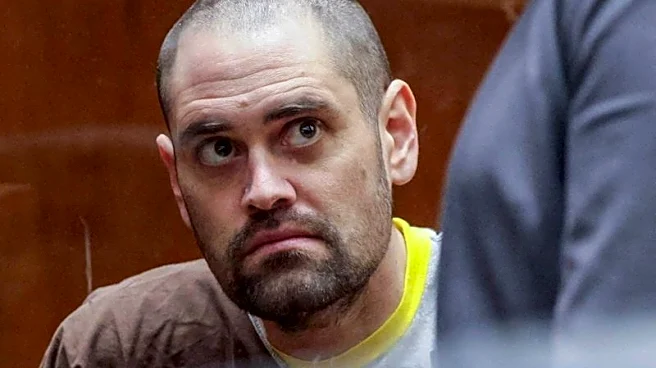
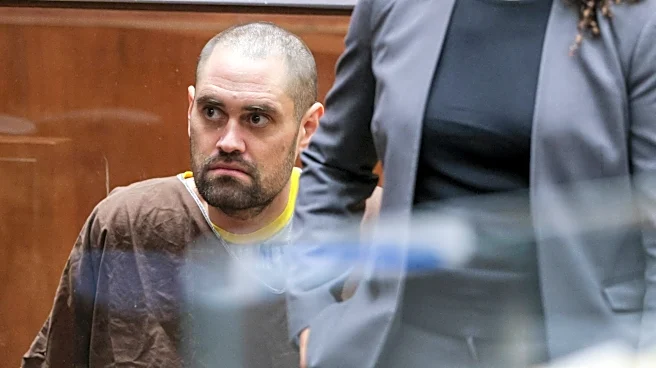
At least two individuals have been arrested in Los Angeles for allegedly misusing millions of dollars in taxpayer money intended to combat the city's homelessness crisis. Lakiya Malone, 48, was arrested in South
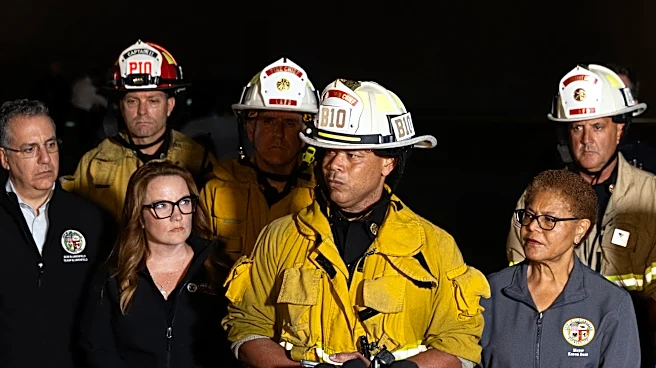
Los Angeles. Federal investigators accuse Malone, who works at a non-profit called Special Service for Groups, Inc., of taking over $180,000 in bribes and kickbacks. She allegedly signed up 'ghost participants' for homeless services who were not actually homeless, allowing known fraudsters to receive credit for care they did not provide. Additionally, Michael Young, 46, founder of the Culver City-based non-profit Home At Last (HAL), was arrested for alleged wire fraud. Young is accused of funneling millions in Los Angeles Homeless Services Authority (LAHSA) funds, using over $1 million to open and operate a nightclub and an adjacent bingo hall in Inglewood, and spending millions more on private vacations and luxury car restorations. Authorities are also searching for Donye 'Danya' Mitchell, 55, CEO of The Big Blue Umbrella, charged with wire fraud for allegedly fraudulently obtaining over $1.2 million in grant money.
Why It's Important?
This crackdown on fraud and misuse of funds is critically important as it directly impacts the resources allocated to address Los Angeles' severe homelessness crisis. The alleged diversion of millions of taxpayer dollars means fewer resources are available for housing, services, and support for the city's most vulnerable population. This not only undermines public trust in non-profit organizations and government programs but also exacerbates an already dire humanitarian situation. The scale of the alleged fraud, involving multiple individuals and organizations, suggests systemic vulnerabilities in the oversight and accountability of public funds. It highlights the urgent need for more stringent auditing and transparency measures to ensure that money intended for social welfare reaches its intended beneficiaries. The arrests send a strong message that exploitation of such critical programs will be met with legal action, potentially deterring future fraudulent activities and restoring some faith in the system.
What's Next?
Lakiya Malone and Michael Young were expected to make their initial court appearances, and their legal proceedings will continue. Alexander Soofer, a former executive director of another non-profit, has agreed to plead guilty to wire fraud and money laundering in a related case, admitting to obtaining $23 million in public money and pocketing at least $2 million. Authorities are actively searching for Donye 'Danya' Mitchell, who is considered a fugitive. The Homelessness Fraud and Corruption Task Force, which made these arrests, will likely continue its investigations to uncover any further instances of fraud and corruption within the system. These cases could lead to significant reforms in how public funds are allocated and monitored for homelessness initiatives in Los Angeles, potentially involving stricter regulations, enhanced oversight, and more frequent audits of non-profit organizations receiving government funding. The outcomes of these prosecutions will be closely watched by both the public and other organizations involved in social services.
Beyond the Headlines
The alleged fraud in Los Angeles' homelessness programs reveals a deeper ethical and societal challenge: the exploitation of human suffering for personal gain. This goes beyond mere financial crime, representing a profound betrayal of public trust and a direct assault on the dignity of those experiencing homelessness. The diversion of funds meant for basic necessities like shelter and mental health services highlights a moral failing that can erode the fabric of a compassionate society. It also underscores the complex interplay between government funding, non-profit operations, and the potential for corruption when oversight is insufficient. The long-term implications could include increased public skepticism towards charitable organizations and government initiatives, making it harder to garner support for future social programs. This situation calls for a re-evaluation of accountability mechanisms and a renewed commitment to ethical governance in addressing critical social issues.