



What's Happening?
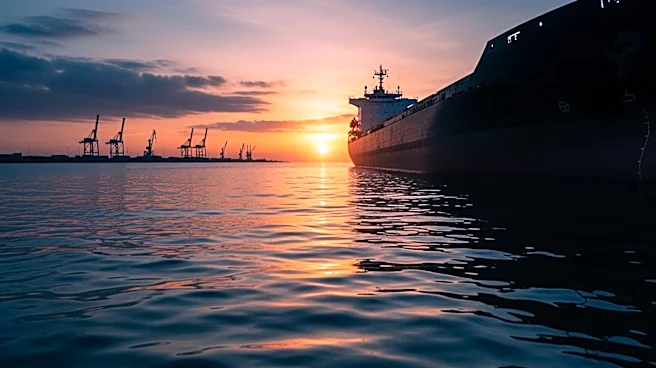
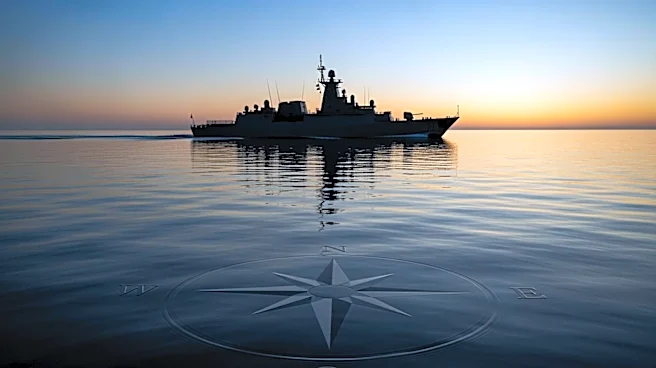
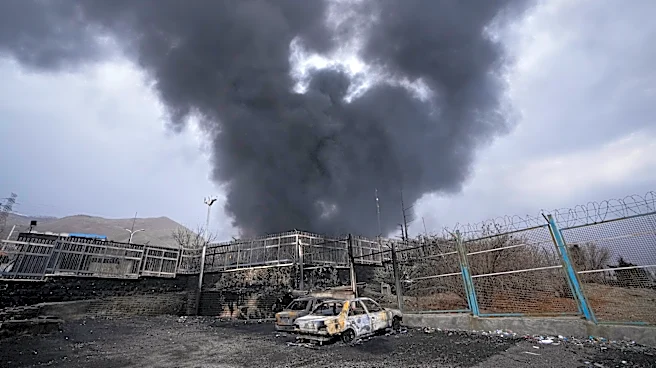
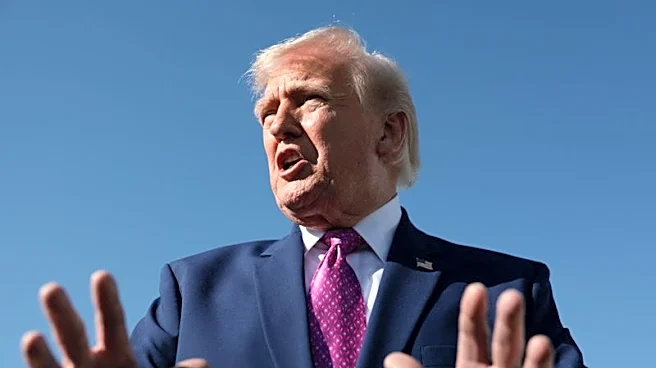
The United States has commenced a blockade of Iranian ports after peace negotiations between the two nations concluded without an agreement. President Trump announced the blockade on social media, warning that any Iranian 'fast attack ships' attempting
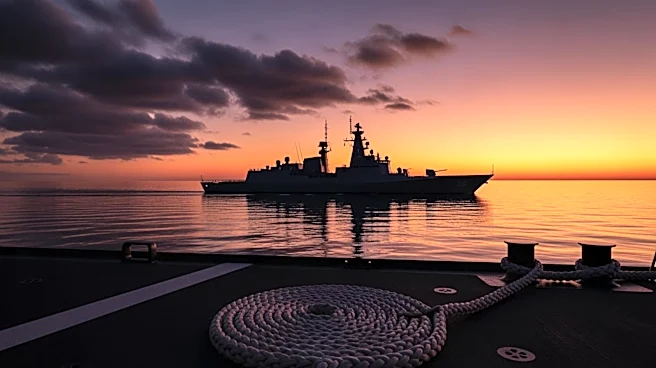
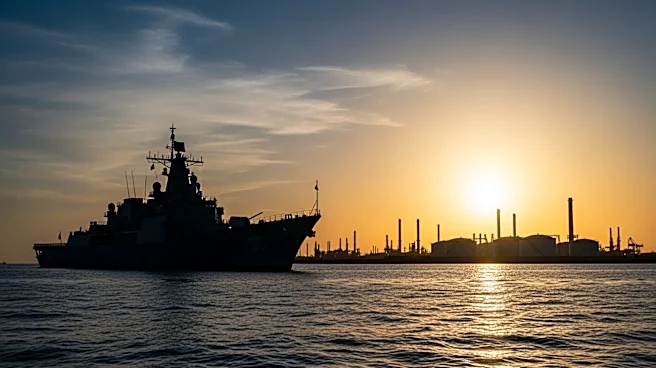
to breach the blockade would be 'immediately ELIMINATED.' The blockade is a significant escalation in tensions between the US and Iran, following unsuccessful diplomatic efforts over the weekend. The blockade aims to restrict Iran's maritime activities, potentially impacting global trade and regional stability.
Why It's Important?
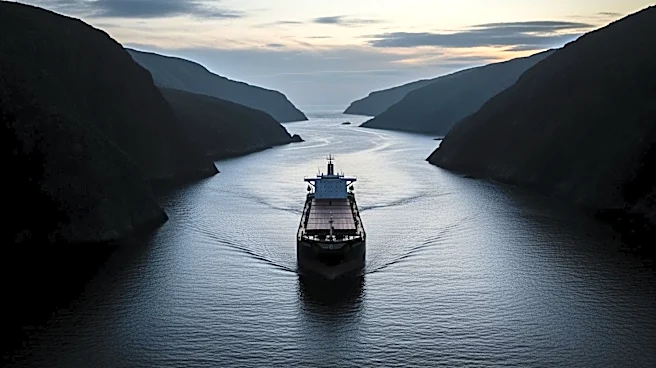
The blockade of Iranian ports by the US represents a critical juncture in US-Iran relations, with potential ramifications for international trade and regional security. The Strait of Hormuz, a vital passage for global oil shipments, could be affected, leading to fluctuations in oil prices and impacting economies reliant on Middle Eastern oil. The blockade may also exacerbate tensions in the region, potentially leading to military confrontations. The US's firm stance could influence its relations with allies and adversaries, as well as its strategic positioning in the Middle East.
What's Next?
The blockade's immediate effects on Iran's economy and its response will be closely monitored. Iran may seek diplomatic support from allies or attempt to challenge the blockade, risking military escalation. The international community, including the United Nations, may call for renewed negotiations to de-escalate tensions. The US will likely continue to assess the blockade's effectiveness and its impact on regional stability, while preparing for potential retaliatory actions from Iran.