






What's Happening?
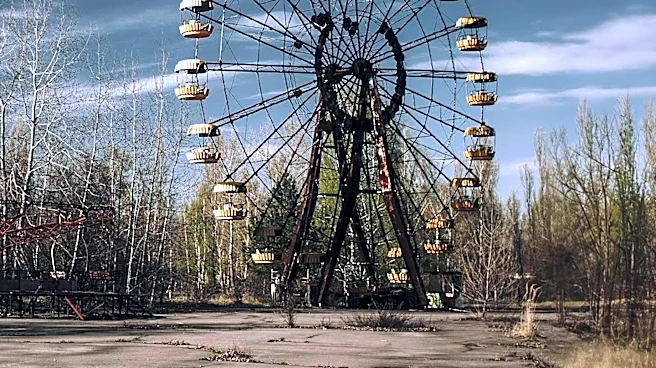
Pleasure Island, a theme park in Cleethorpes, Lincolnshire, England, which closed in October 2016, has been largely reclaimed by nature, with aerial photos revealing its crumbling remains. The 57-acre site, once a popular family destination, now features
overgrown vegetation and decaying structures. Weeds have overtaken former attractions like the bumper cars building and water park features. The site has become a magnet for urban explorers and has been associated with antisocial behavior. Ambitious £70 million redevelopment plans to transform the area into a 'Center Parcs-by-the-sea' style destination, including 272 holiday lodges, a Lidl, and a Costa Coffee, have been stalled. A planning application was submitted in 2023, but legal challenges from parties like Tesco, questioning retail impact viability and environmental details, have delayed the final decision, leaving locals concerned about the site's future.
Why It's Important?
While this specific abandoned theme park is located in England, the phenomenon of large, disused commercial properties, particularly entertainment venues, being reclaimed by nature and facing stalled redevelopment is a relevant issue in the U.S. as well. Many American communities grapple with similar challenges, where once-thriving attractions or industrial sites become eyesores and potential liabilities. The situation at Pleasure Island highlights the complexities of urban planning, economic development, and community revitalization. For U.S. towns and cities, it underscores the importance of robust and timely redevelopment strategies to prevent blight, attract investment, and address community needs. The legal challenges faced by the Pleasure Island project also serve as a cautionary tale regarding the potential for protracted disputes to hinder progress on large-scale developments, impacting local economies and quality of life.
What's Next?
The North East Lincolnshire Council has deferred the final planning decision for the Pleasure Island site to an unspecified future date, indicating that the current state of decay could persist for years. The legal challenges, particularly from Tesco regarding retail impact, suggest that the path to redevelopment will remain complex and potentially lengthy. Local residents will likely continue to advocate for a resolution, expressing concerns about the site remaining an eyesore and a missed opportunity for job creation and tourism. The outcome of this planning dispute could set precedents for how similar large-scale, multi-use developments are approved and implemented, both in the UK and potentially influencing approaches to urban decay and revitalization projects in the U.S.
Beyond the Headlines
The story of Pleasure Island touches upon broader themes of economic change, nostalgia, and the environmental impact of abandoned infrastructure. The park's decline reflects shifts in leisure and entertainment industries, where older models struggle to compete with newer attractions or changing consumer preferences. The site's reclamation by nature also raises questions about ecological succession and the resilience of natural systems in urbanized environments. Furthermore, the appeal of such abandoned sites to 'urban explorers' highlights a cultural fascination with ruins and forgotten spaces, which can sometimes conflict with public safety and property rights. The ongoing debate over its future underscores the challenge of balancing economic development with community desires and environmental considerations, a dilemma frequently encountered in urban and suburban areas across the U.S.