






What's Happening?
South Korea has welcomed over 20 million foreign tourists as of November 12 this year, marking a significant milestone and setting a new annual record for the second consecutive year. This surge represents a sharp V-shaped recovery for the tourism industry,
which had seen visitor numbers plummet to 970,000 in 2021 due to the COVID-19 pandemic. The primary driver behind this influx is the global appeal of Korean pop culture, including K-pop, television dramas, and films, which has expanded to encompass Korean food, beauty, and wellness. Foreign visitors are also increasing their spending, with credit card expenditures totaling 15.94 trillion won from January to September, a 47.7% increase from the previous year. The industry is moving away from reliance on low-cost group tours towards a more diversified visitor base and higher-value, experience-based consumption.
Why It's Important?
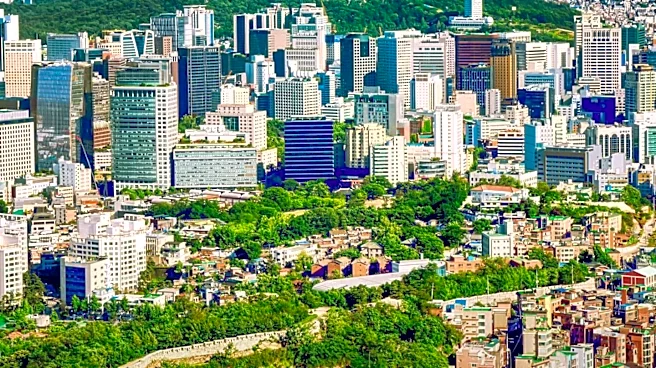
While the record number of arrivals is a positive indicator for South Korea's economy, the report highlights structural weaknesses that prevent these numbers from translating into lasting economic gains across the country. The average length of stay has decreased to 6.5 days, down from 7.8 days in 2023, and spending on accommodation and dining has declined despite the increase in visitors. A significant challenge is the concentration of tourists and their spending in the capital region, with over 80% of foreign visitors staying in the Seoul metropolitan area and over 70% of their credit card spending occurring in Seoul. This imbalance means that regional communities are not fully benefiting from the tourism boom, often serving as mere transit points due to a lack of infrastructure for longer stays. This situation underscores a missed opportunity for broader economic stimulation and regional development.
What's Next?
To maximize the economic benefits of its tourism boom, South Korea must shift its focus from merely attracting more visitors to improving the quality of tourism and stimulating domestic demand, particularly in regional communities. This involves developing distinctive, experience-based attractions that showcase the unique character of each region. Additionally, there is a need to build an integrated tourism ecosystem that connects regional airports, ground transportation networks, and accommodation tailored to visitors' needs. Fostering closer ties between tourism and high-value industries, such as medical services and Meetings, Incentives, Conferences, and Exhibitions (MICE), could also encourage repeat visits and higher spending. These qualitative improvements are crucial for tourism to become a sustainable new engine of growth for the South Korean economy.
Beyond the Headlines
The phenomenon of 'K-culture' driving tourism illustrates the powerful economic impact of cultural exports. However, the challenge of distributing tourism benefits beyond major urban centers is a common issue faced by many popular tourist destinations globally. South Korea's experience highlights the need for strategic regional development plans that leverage local assets and integrate them into a national tourism strategy. Failure to address the concentration of tourism in the capital could exacerbate regional economic disparities and lead to over-tourism in Seoul while other areas remain underdeveloped. The long-term success of South Korea's tourism industry will depend on its ability to create a more equitable and sustainable model that benefits all regions and offers a richer, more diverse experience for international visitors.