


What's Happening?
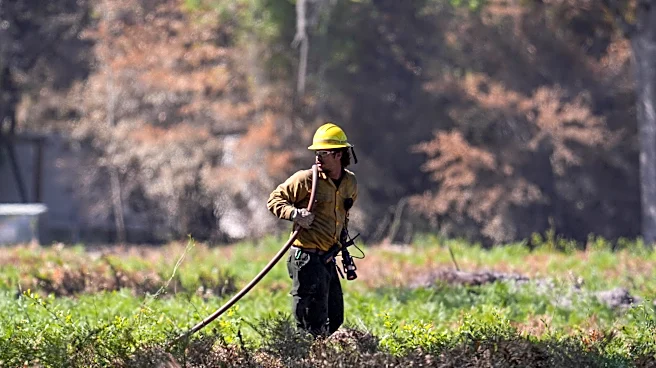
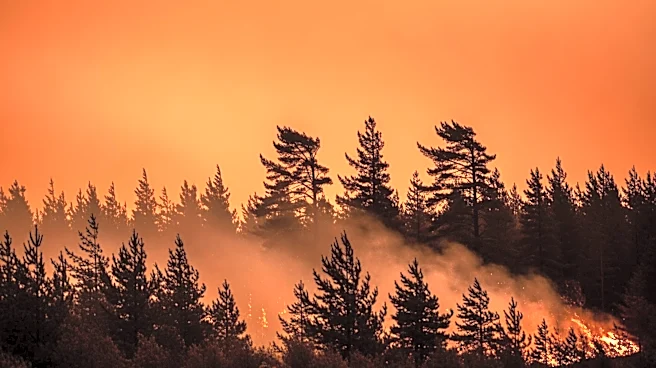
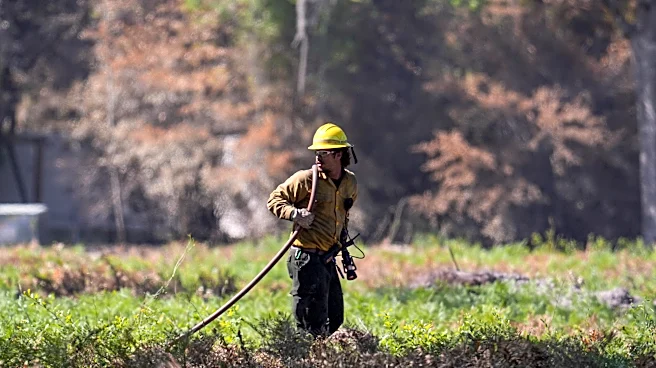
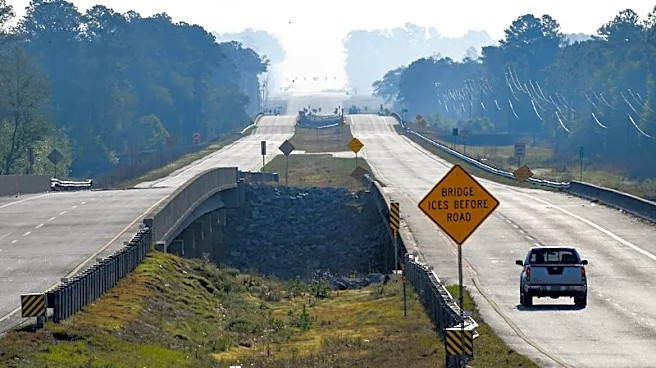
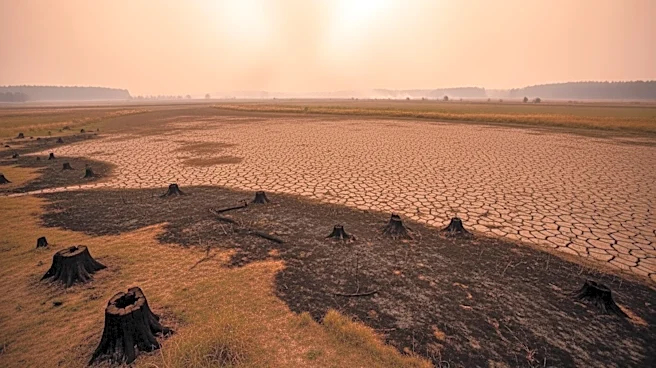
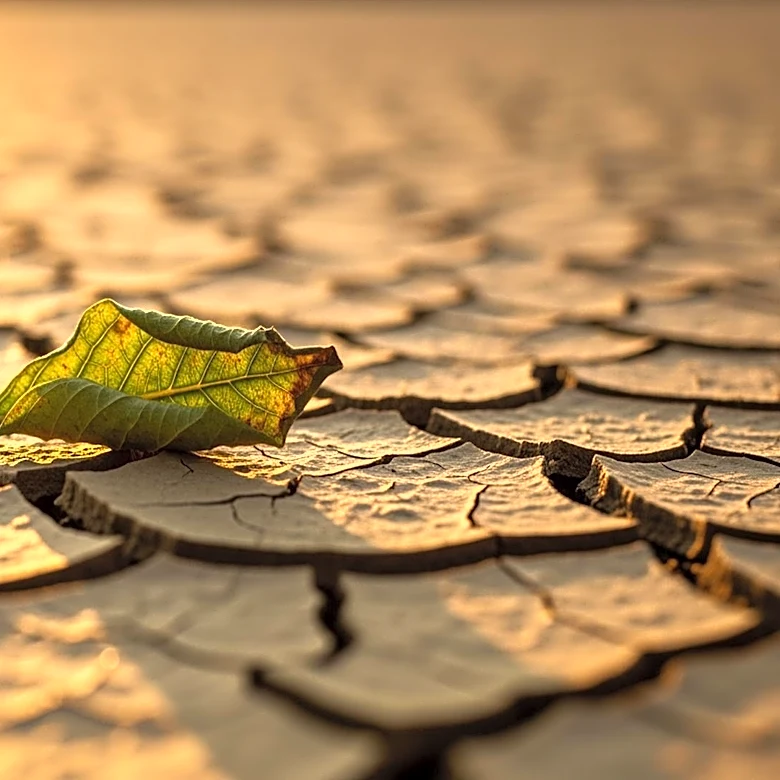
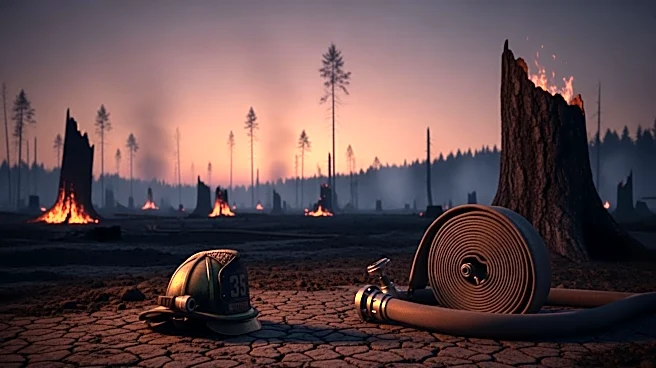
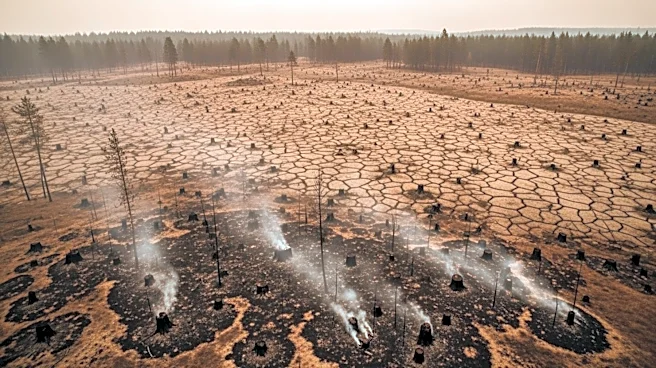
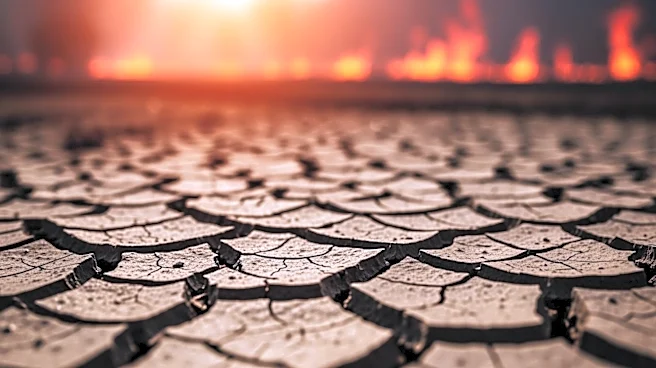
Severe wildfires in Georgia have destroyed over 120 homes and forced thousands to evacuate. The fires, exacerbated by record spring drought conditions, have swept through areas like Brantley County, leaving significant destruction in their wake. Residents
have lost homes, businesses, and cherished possessions, with some communities facing complete devastation. The fires have also claimed the life of a volunteer firefighter in Florida. Local authorities, including Georgia Governor Brian Kemp, are coordinating efforts to manage the crisis and provide support to affected residents. The fires have highlighted the vulnerability of communities to natural disasters, particularly in regions experiencing extreme weather conditions.
Why It's Important?
The wildfires in Georgia underscore the increasing frequency and intensity of natural disasters linked to climate change. These events have significant implications for public safety, emergency response, and community resilience. The destruction of homes and infrastructure places a substantial economic burden on affected communities and highlights the need for comprehensive disaster preparedness and recovery plans. The fires also raise concerns about the adequacy of current policies and resources to address the challenges posed by climate-related disasters. As climate change continues to impact weather patterns, similar events may become more common, necessitating proactive measures to mitigate risks and protect vulnerable populations.
What's Next?
In the aftermath of the wildfires, recovery efforts will focus on providing immediate relief to displaced residents and rebuilding affected communities. Authorities may review and update emergency response strategies to better prepare for future incidents. The fires could also prompt discussions on climate policy and the need for sustainable land management practices to reduce the risk of wildfires. Long-term recovery will involve rebuilding infrastructure, restoring community services, and addressing the psychological impact on residents. The situation may also influence future legislative actions aimed at enhancing disaster resilience and climate adaptation strategies.