






What's Happening?
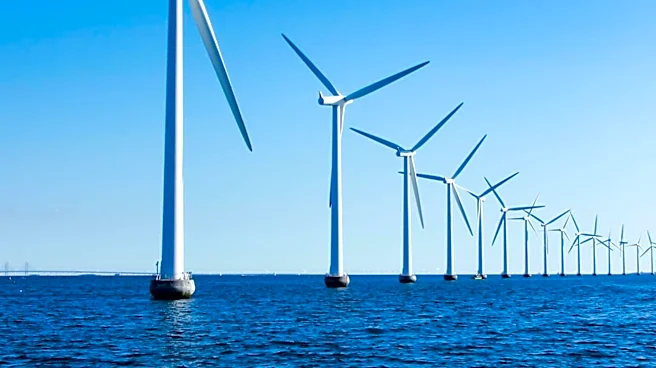
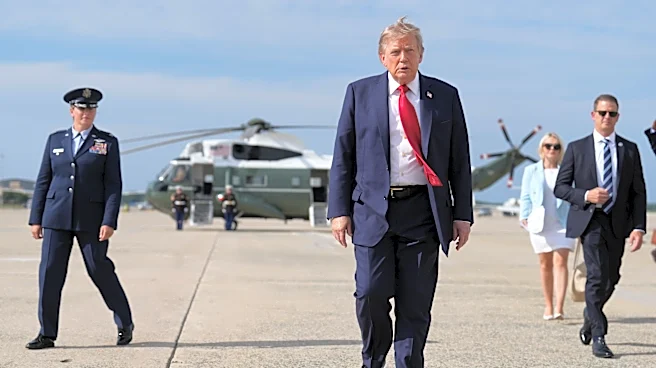
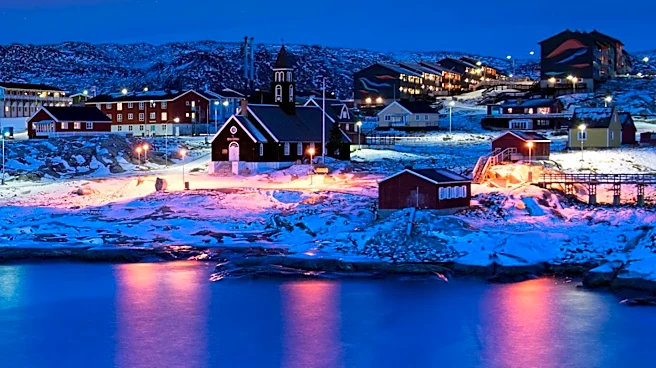
Greenland is gaining renewed geopolitical attention, partly due to past statements by President Trump advocating for increased United States control over the island. This interest stems from Greenland's significant renewable energy potential, its reserves
of critical raw materials, a halt in new oil and gas exploration licensing, and its crucial strategic location between Europe and North America. The island's position, particularly the GIUK Gap (Greenland, Iceland, United Kingdom), makes it a vital maritime chokepoint. Additionally, the Arctic Ocean offers potentially shorter shipping routes between parts of Europe and Asia, although their commercial viability remains limited. The European Union is now looking to Greenland as a strategic partner for its energy, industrial, and digital ambitions, focusing on local value creation rather than direct electricity exports to Europe. This partnership aims to leverage Greenland's resources for renewable-powered industries, sustainable data infrastructure, and critical raw material processing, while prioritizing Greenlandic community needs and sustainable development.
Why It's Important?
Greenland's strategic importance is multifaceted, impacting U.S. geopolitical interests, European energy security, and global supply chains. President Trump's previous interest underscores the island's perceived value in terms of resources and strategic positioning. For the U.S., greater control over Greenland could enhance its Arctic presence and influence, potentially affecting military and economic strategies in the region. For Europe, a partnership with Greenland offers a pathway to diversify critical raw material supplies, reducing dependency on other nations, and bolstering its energy security through renewable resources. The development of sustainable industries and digital infrastructure in Greenland, powered by its vast renewable energy, could also create new economic opportunities and strengthen transatlantic ties. However, the emphasis on 'Greenlandic terms' ensures that any development prioritizes local communities, skills, infrastructure, and decision-making power, which is crucial for equitable and sustainable growth.
What's Next?
The EU and Greenland are expected to continue developing their strategic partnership, focusing on areas such as sustainable raw materials value chains, renewable-powered industries, and resilient digital connectivity. Future steps will likely involve investments in Greenlandic communities, skill development, and infrastructure to support these initiatives. Discussions will also center on ensuring that economic benefits are shared equitably and that environmental safeguards are maintained. Projects like the proposed Polar Connect, which aims to install a resilient fiber-optic cable through the Arctic Ocean, could enhance global digital infrastructure and further integrate Greenland into international networks. The ongoing dialogue will also address the balance between resource extraction and environmental integrity, with a focus on community participation and land-use planning to ensure long-term sustainability.
Beyond the Headlines
The evolving relationship between Greenland, the EU, and the underlying U.S. interest highlights broader themes of resource nationalism, climate change adaptation, and geopolitical competition in the Arctic. Greenland's vast untapped resources, particularly critical raw materials essential for green technologies, place it at the center of global efforts to transition to a low-carbon economy. The ethical implications of resource extraction, including land use rights and equitable benefit-sharing for indigenous communities, are paramount. The island's unique position also makes it a bellwether for the impacts of climate change, as melting ice opens new shipping routes and access to resources, intensifying geopolitical interest. This situation underscores the delicate balance between economic development, environmental protection, and the self-determination of local populations in a rapidly changing Arctic landscape, potentially setting precedents for how other Arctic nations manage their resources and international partnerships.