




What's Happening?
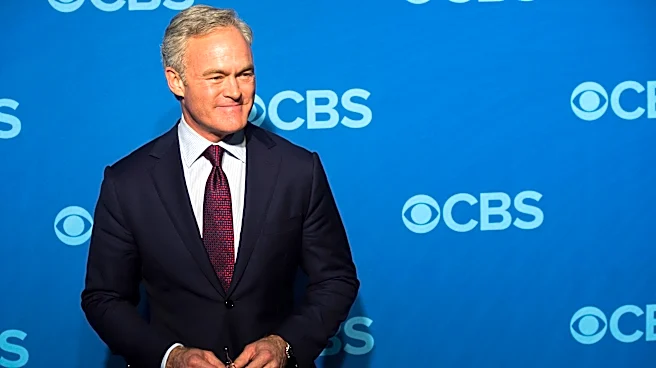
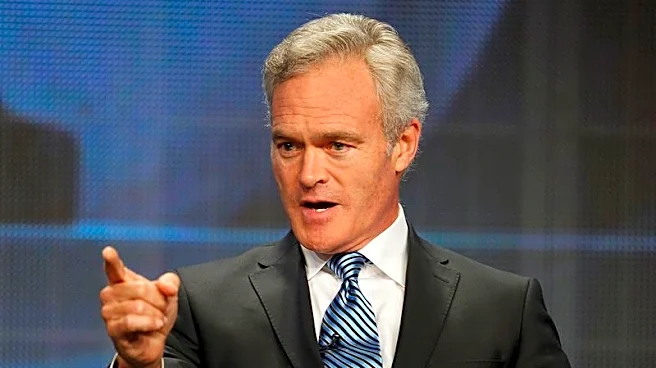
Rachel Maddow, host of MS NOW, has extended an invitation to former '60 Minutes' correspondent Scott Pelley to join her network following his dismissal from CBS News. Pelley was fired after a contentious meeting where he criticized CBS News' leadership,
particularly targeting editor-in-chief Bari Weiss and executive producer Nick Bilton. Pelley accused them of undermining the integrity of the '60 Minutes' program. Maddow, during a panel discussion, expressed her support for Pelley, highlighting the importance of a free press and suggesting that his firing was part of a broader effort to control media narratives. She described the situation as an 'oligarchic' takeover influenced by the Trump administration.
Why It's Important?
This development underscores ongoing tensions within major media organizations and highlights concerns about media independence and freedom of the press. Pelley’s firing and Maddow’s response suggest a perceived threat to journalistic integrity, with implications for how news is reported and consumed in the U.S. The incident reflects broader debates about media consolidation and political influence over news outlets. It raises questions about the future of investigative journalism and the ability of journalists to operate without external pressures. Stakeholders in the media industry, including journalists and media consumers, may view this as a pivotal moment in the fight for press freedom.
What's Next?
The next steps could involve Pelley potentially joining MS NOW, which would signal a shift in his career and possibly influence the network's programming. The situation may also prompt discussions within CBS and other media organizations about editorial independence and leadership decisions. Public and industry reactions could lead to increased scrutiny of media practices and policies, potentially affecting how news organizations manage internal conflicts and external pressures. The outcome may influence future hiring and firing decisions within the media industry, as well as the broader discourse on media freedom.