


What's Happening?
Researchers at the University of Notre Dame are exploring the mechanisms behind neuron death caused by chronic compression, such as that exerted by brain tumors. This study, published in the Proceedings of the National Academy of Sciences, aims to understand
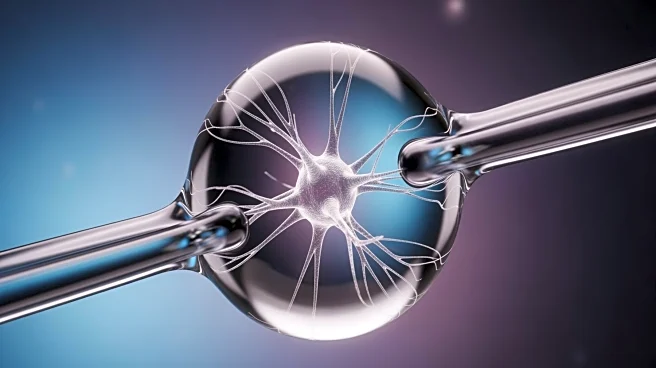
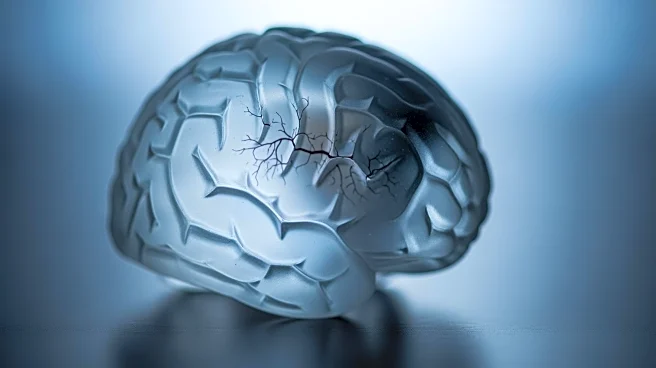
how to prevent neuron loss, which leads to sensory loss, motor impairment, and cognitive decline. The research team, led by Meenal Datta and Christopher Patzke, used induced pluripotent stem cells to create a model system of neurons and glial cells. They applied pressure to mimic the effects of a glioblastoma tumor, observing that chronic compression triggers neuron death through various mechanisms. The study found that compression activates self-destruction signaling in neurons and increases stress adaptive genes, leading to inflammation. These findings could help explain cognitive impairments and motor deficits in glioblastoma patients and offer potential drug targets to reduce neuronal death.
Why It's Important?
This research is significant as it provides insights into the underlying causes of neuron death in brain pathologies like glioblastoma, an incurable brain cancer. Understanding these mechanisms is crucial for developing therapies to prevent neuron loss, which can lead to severe cognitive and motor impairments. The study's findings could also extend to other conditions involving mechanical forces in the brain, such as traumatic brain injury. By identifying specific signaling pathways involved in neuron death, researchers can explore new drug targets to mitigate these effects, potentially improving the quality of life for patients with brain tumors and other related conditions.
What's Next?
Future research will likely focus on further exploring the identified signaling pathways as potential drug targets to prevent neuron death. The interdisciplinary team at Notre Dame plans to continue investigating the mechanics of compression and its effects on neuron loss. This could lead to the development of new therapeutic strategies for glioblastoma and other brain pathologies. Additionally, the research may prompt further studies into the role of mechanical forces in other types of cancer and neurological disorders, potentially broadening the scope of treatment options available to patients.