






What's Happening?
The US Department of Agriculture (USDA) announced a $25 million investment in a facility in Arizona to disperse sterile flies aimed at combating the New World screwworm, a flesh-eating livestock pest. This initiative is part of a broader effort to control
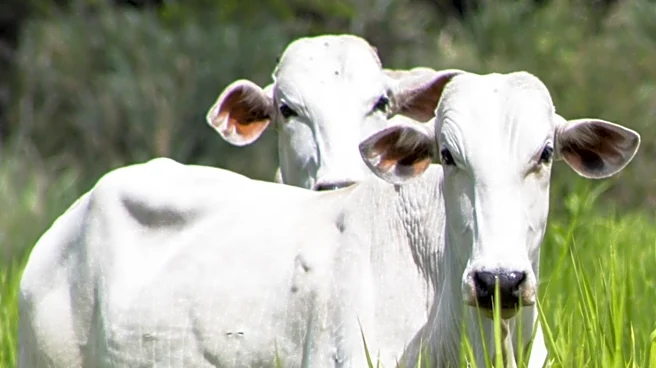
the pest's spread and resume cattle imports from Mexico, which were halted over a year ago. The USDA plans to lift the ban on Mexican cattle imports, a move that has been met with mixed reactions from US cattle producers due to concerns about potential infestations.
Why It's Important?
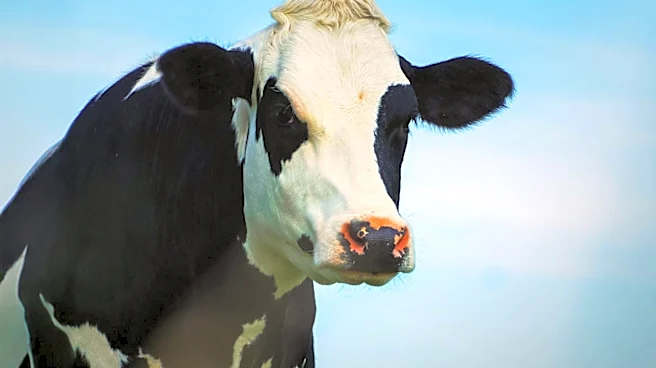
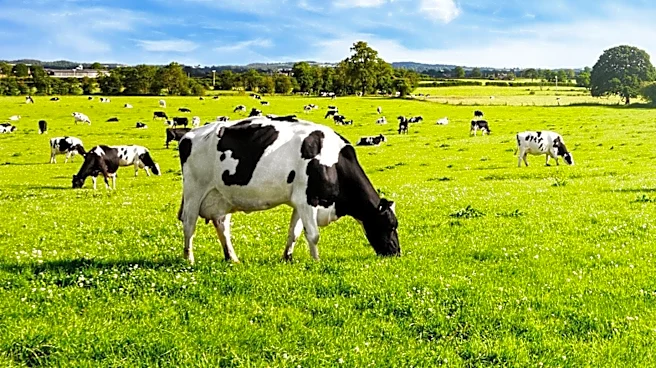
The USDA's investment in combating the screwworm is crucial for the US livestock industry, as the pest poses a significant threat to cattle health and the broader agricultural economy. The resumption of Mexican cattle imports is expected to alleviate some pressure on beef prices, which have reached record highs due to supply constraints. However, the decision also raises concerns about the potential reintroduction of screwworms into the US, which could have severe economic and ecological impacts if not properly managed.
What's Next?
The USDA plans to resume cattle imports at a port of entry in Douglas, Arizona, on August 24, with additional ports in New Mexico to follow. The agency's efforts to control the screwworm will likely involve increased monitoring and collaboration with Mexican authorities to ensure the pest does not spread further. The success of the sterile fly dispersal program will be critical in determining the long-term viability of resumed cattle imports and the stability of beef prices in the US market.