




What's Happening?
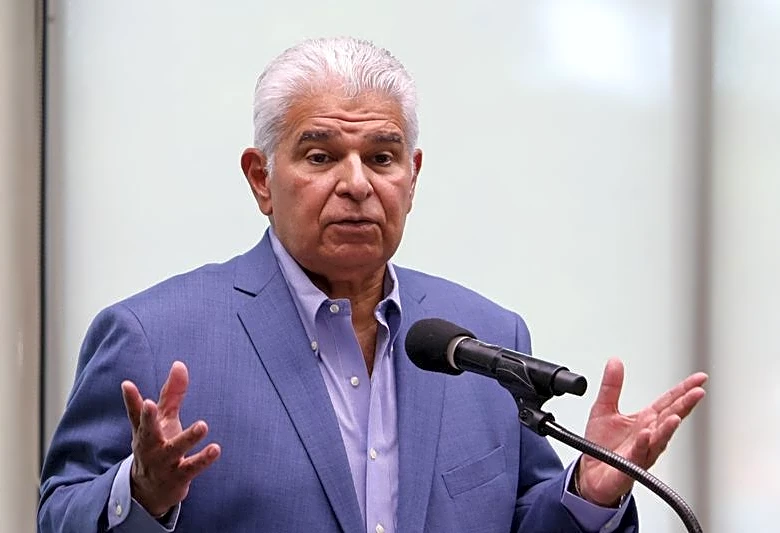
Barbara Leaf, a senior advisor at Arnold & Porter, has commented on the fragile nature of the ceasefire between Iran and the United States. She highlighted significant challenges in command and communication, as well as unresolved issues regarding nuclear
programs and control of the Strait of Hormuz. Leaf noted that while Iran claims a symbolic victory by surviving the conflict, the true test will be maintaining control over strategic regions like the Strait of Hormuz.
Why It's Important?
Leaf's insights emphasize the complexities involved in maintaining a ceasefire between two historically adversarial nations. The unresolved issues she mentions, such as nuclear capabilities and strategic territorial control, are critical to regional and global security. The outcome of these negotiations could influence international relations, economic stability, and security policies. The U.S. and its allies must navigate these challenges carefully to prevent further escalation and ensure long-term peace.
What's Next?
The focus will be on addressing the gaps identified by Leaf, particularly in nuclear negotiations and territorial disputes. Diplomatic efforts will likely intensify to bridge these differences and solidify the ceasefire. The international community, including major powers and regional stakeholders, may play a role in facilitating dialogue and ensuring compliance with the ceasefire terms. The success of these efforts will be crucial in determining the future of U.S.-Iran relations and regional stability.